Decarbonization

This paper presents a flexible, highly cost- and energy-efficient method of gas separation and CO₂ capture from many different gas mixtures with a large range of CO₂ concentrations.

This study explores the carbon-capture and mineralization potential of ultramafic rock powders when exposed to flue gases generated from combustion of crude oil and mesquite-derived charcoal.

This paper presents an approach for safe, efficient, and cost-effective legacy well reabandonment.
-
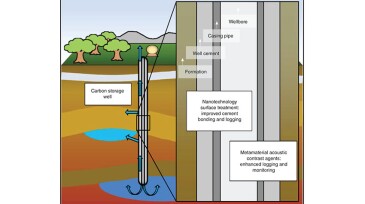
 The authors of this paper describe a suite of technologies that enables enhanced well robustness and performance modeling and monitoring of carbon storage facilities.
 -
With the advancement of a legal framework for carbon capture and storage, Brazil is building CCS momentum. This article aims to shed light on what led to this momentum and what may come next.
-
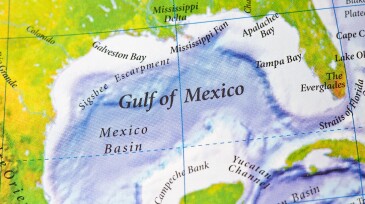
The Gulf region can leverage its energy history, infrastructure, capacity, and expertise to lead the energy transition.
-
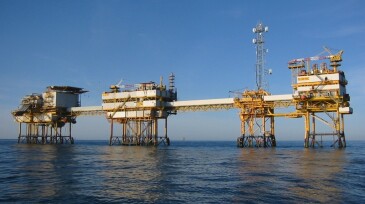
The project aims to store 5 million tons of CO₂ annually, equivalent to a third of the total CO2 emissions from Dutch domestic vehicles in 1 year.
-
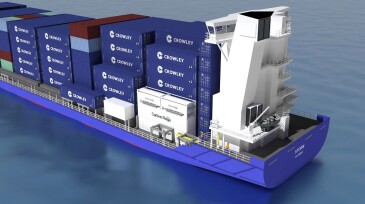
A pilot project will explore onboard carbon capture for container ships, and two heavy-hitters are teaming up to find decarbonization paths in the Asia Pacific region. Elsewhere, wind and solar are on track to pass coal in the race to generate electricity.
-
The memorandum of understanding aims to improve digital work flows in the emerging carbon capture and storage industry.
-
For today’s oil and gas companies, digital twins offer untapped potential to decarbonize the leading source of their emissions—field production.
-
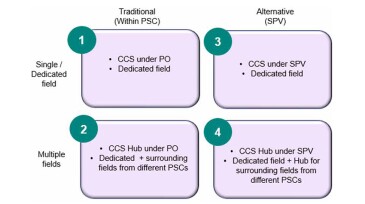
This study compares, in a carbon capture and storage (CCS) context, the economics of a traditional business model vs. an alternative business model (a regional CCS hub separately managed by a special-purpose vehicle).
-
A surge in permit applications for long-term carbon storage sites reflects where industrially produced carbon dioxide can be harvested, and where the necessary pipelines are.
-
The captured carbon dioxide will be permanently sequestered in the Cameron Parish CO2 Hub to be located offshore Louisiana.