Digital Oil Field

A combination of physics principles and machine-learning techniques is used in this work to develop a virtual flowmeter for oil-production optimization in electrical-submersible-pump-lifted oil wells, resulting in reliable generalization.

This research focuses on combining physics-based expert rules with machine learning to improve the detection of failure-related events in electrical submersible pumps.

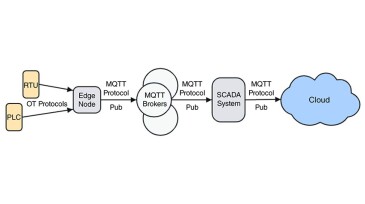
This paper presents the deployment of an artificial intelligence-enabled autonomous gas lift optimization system, integrating real-time centralized advanced process control with cloud-based analytics to enhance artificial gas lift performance in producer wells.
-
 Even as output hits record highs, a growing recognition of the Permian’s maturity is opening the door for new technologies to improve performance.
 -
SponsoredIn oil and gas operations, every decision counts. For more than 2 decades, SiteCom has been the trusted digital backbone for well operations worldwide, driving insight, collaboration, and efficiency.
-
This paper describes a decision-support system that integrates field data, system specifications, and simulation tools to quantify system performance, forecast operational challenges, and evaluate the effect of system modifications in water management.
-
This paper presents an approach to management and interpretation of pipeline-integrity data, ensuring integrity, safety, and reliability of the operator’s critical pipelines.
-
This paper describes the development of a system for comprehensive mapping and asset registration using a digital-twin approach.
-
Even as industry faces policy and tariff uncertainty, companies view spending on digital transformation as a driver of efficiency.
-
This research aims to develop a fluid-advisory system that provides recommendations for optimal amounts of chemical additives needed to maintain desired fluid properties in various drilling-fluid systems.
-
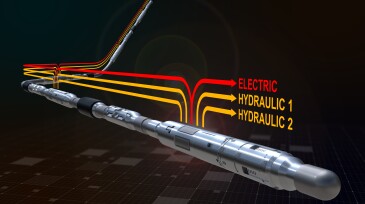
SponsoredSince 1997, intelligent completions have transformed reservoir management, but adoption remains limited due to perceived complexity. The industry reached a pivotal moment with the development of next-generation technologies that address longstanding challenges and offer simpler operation solutions.
-
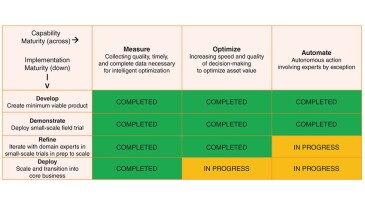
This paper presents a case study highlighting the demonstration, refinement, and implementation of a machine-learning algorithm to optimize multiple electrical-submersible-pump wells in the Permian Basin.
-
This paper presents a closed-loop iterative well-by-well gas lift optimization workflow deployed to more than 1,300 operator wells in the Permian Basin.