Digital Oil Field

The paper presents the design and successful field deployment of the first closed-loop hydraulic fracturing program.

The authors describe a study on key technologies for intelligent risk monitoring of workover operations.

The authors write that by replacing outdated, labor-intensive processes with an integrated, cloud-based platform, companies can streamline planning, improve accuracy, and foster better coordination across teams and vendors.
-
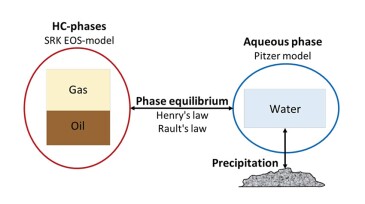
 This paper describes the suite of cloud-based digital twin tools that the operator has developed and is integrating into its operations, providing online, real-time calculation of scale risk and deployed barrier health to manage risk on a well-by-well basis.
 -
There is no shortage of quantum technology applications in the upstream industry, from supply chain to well placement, making now the time to take it seriously.
-
The companies plan to develop new artificial-intelligence-powered processes and workflows to optimize oil and gas production.
-
Aker BP plans to use a software platform from TGS as a process data server designed to improve field operations.
-
Experts at SPE’s Annual Technical Conference and Exhibition say that despite AI’s great potential, it’s important to be realistic about AI’s capabilities and to remember that successful projects solve specific business problems.
-
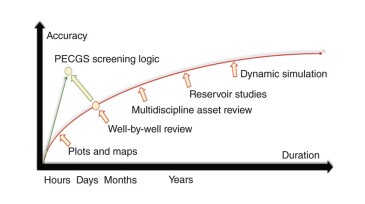
This paper presents the processes of identifying production enhancement opportunities, as well as the methodology used to identify underperforming candidates and analyze well-integrity issues, in a brownfield offshore Malaysia.
-
In this exclusive Q&A, Giovanni Cristofoli, senior vice president of bp Solutions, shares insights into how his team is redefining operational strategies and fostering agility to bridge competitive gaps and enhance efficiency. Highlights include the integration of digital tools, data science, and a unified approach to tackling complex problems.
-
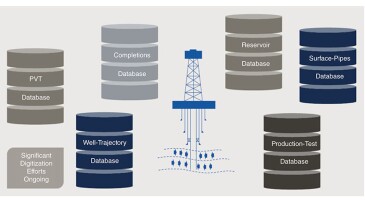
This paper describes the development of a comprehensive digital solution for well surveillance and field-production optimization for an offshore field consisting of four stacked reservoirs, each containing near-critical fluids.
-
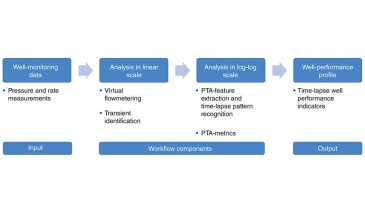
This paper describes a new integrated workflow for automated well monitoring using pressure and rate measurements obtained with permanent gauges and flowmeters.
-
Digital transformation presents a crucial opportunity to cut costs across business domains. This review explores unique digital transformation opportunities in the petroleum industry, highlighting valuable business process automations that can drive significant benefits.