Digital Oil Field

This research focuses on combining physics-based expert rules with machine learning to improve the detection of failure-related events in electrical submersible pumps.

A combination of physics principles and machine-learning techniques is used in this work to develop a virtual flowmeter for oil-production optimization in electrical-submersible-pump-lifted oil wells, resulting in reliable generalization.

This paper presents the deployment of an artificial intelligence-enabled autonomous gas lift optimization system, integrating real-time centralized advanced process control with cloud-based analytics to enhance artificial gas lift performance in producer wells.
-
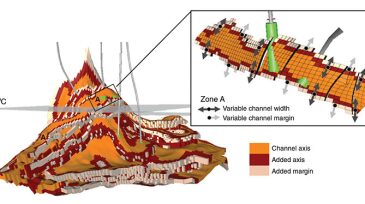
 In the complete paper, the authors propose a novel method to rapidly update the prediction S-curves given early production data without performing additional simulations or model updates after the data come in.
 -
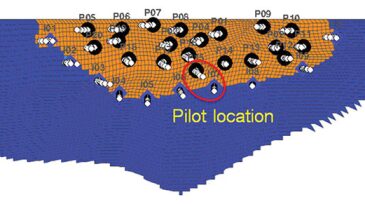
The aim of this work is to present the effectiveness of a fully integrated approach for ensemble-based history matching on a complex real-field application.
-
In a collaborative project, the possibility of measuring fluid levels in a wellbore by use of distributed optical pressure gauges was conceived, prototyped, field-trialed, and further developed to a point of widespread commercialization.
-
SponsoredThe rise of digital transformation initiatives – specifically Industrial Internet of Things (IIoT) projects – is forcing O&G operators to rethink conventional, siloed operations. Learn how to bring IT and Operations together to maximize the value of IIoT across your business.
-
SponsoredA new report takes a look at how digital technologies are disrupting the Oil & Gas industry and provides practical strategies for organizations to manage the process.
-
The petroleum industry is becoming increasingly dependent on digital systems, and companies have ambitious plans for increased use of digital technology—along the entire value chain. A new report shows how digitalization affects health, safety, and the environment.
-
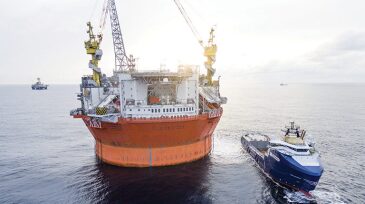
Statoil’s integrated operations center on the Norwegian continental shelf is one of several initiatives operators and service companies have set in motion to improve condition monitoring and maximize production on their assets.
-
There are two ongoing trends in the industry. The first is an increasing wave of digitization. Second, piggybacking on the increased access to sensor and equipment data, analytics and artificial intelligence are on an exponential rise in the industry.
-
The complete paper provides an overview of the development of fiber-optic sensing for steam-assisted-gravity-drainage (SAGD) applications, including a review of more than 10 years of work in development and field applications in western Canada.
-
The complete paper describes a work flow in which wells and production networks in the Cheleken Block offshore Turkmenistan are automatically modeled daily with steady-state and transient tools and ultimately analyzed by the Cheleken Block Central Data Gathering System.