Directional/complex wells
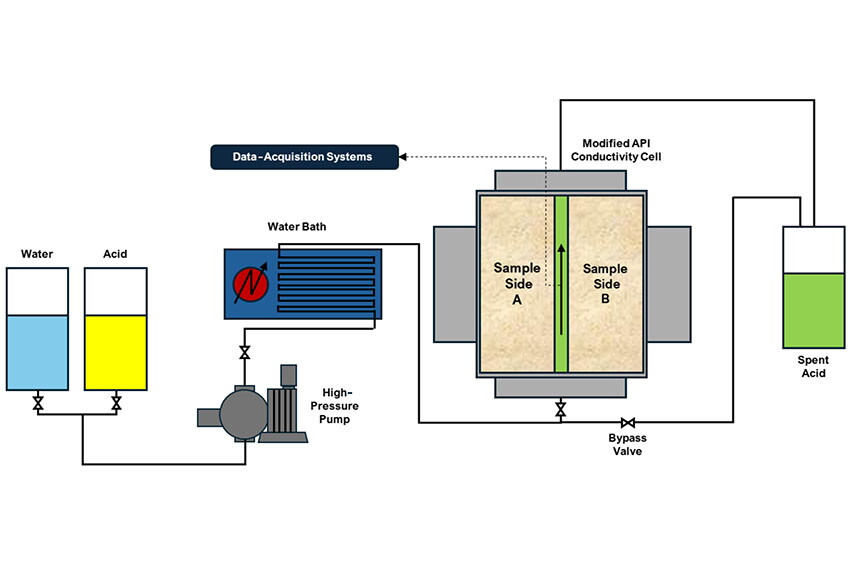
This paper presents findings reinforcing the argument that acid fracturing is a strong alternative stimulation method to improve productivity in the Austin Chalk formation.

This paper aims to assess the effectiveness of using advanced integrated production-data-analysis techniques for condensate-rich tight gas fields.

This case study from Erdos Miller outlines the use of magnetic short-hop technologies to complement the use of mud pulsers to transmit telemetry to surface.
-
 This paper provides an account of the design, implementation, and operational insights from an enhanced geothermal system proppant stimulation targeting a volcanic, dry rock setting with an approximately 330°C bottomhole temperature.
 -
This study evaluates the feasibility of drilling a closed-loop, unconventional geothermal system in the Pannonian Basin basement of Romania.
-
This paper presents a multifaceted approach leveraging precise rig control, physics models, and machine-learning techniques to deliver consistently high performance in a scalable manner for sliding.
-
This paper presents a study of trapped-torque incidents during drillpipe connection, highlighting contributing factors and root causes and proposing prevention and mitigation measures for these transient events.
-
In this study, a method was developed to analyze the effects of drilling through transitions on bit-cutting structures and construct an ideal drilling strategy using a detailed drilling model.
-
This paper describes an alternative lower-completion concept for developing Lower Wilcox reservoirs referred to as high-angle multifractured well design.
-
This paper discusses cases from the North Sea and offshore California in which high-fidelity pressure and dynamics measurements, combined with high-speed telemetry, helped overcome complex geotechnical challenges.
-
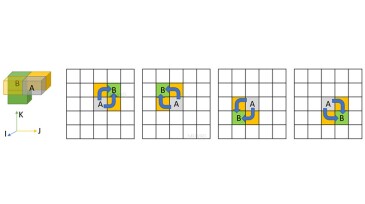
This paper presents an efficient mathematical optimization method for well placement that maximizes contact with the productive zones for the best locations in the reservoir.
-
Bad vibes are being addressed by contractors as operators push to go faster, deeper, and longer with unconventional wells.
-
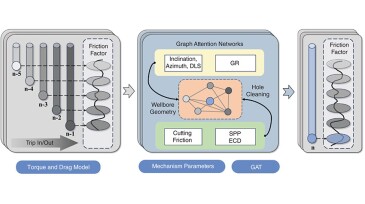
This paper describes the development of a method of predicting drillstring-friction coefficient during tripping operations that can be used for early warning of stuck pipe.