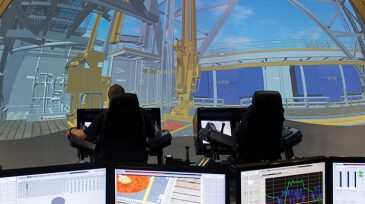
Drilling automation

This edition highlights three offshore technology papers that address a common industry theme: how targeted engineering solutions can reduce uncertainty, shorten operations, and make technically constrained offshore well activities more executable.

Sponsored
With operators under pressure to deliver more energy with fewer resources, predictable drilling performance is more important than ever. Discover how a unified digital workflow can turn drilling data into better decisions and consistent execution—providing the foundation for autonomous drilling and more predictable, profitable, and productive wells at scale.

Current classifications often do not capture the complexity of autonomy in drilling systems. By integrating concepts from aerospace, control theory, and other high-risk industries, this study presents a quantitative framework for systematically assessing and comparing levels of drilling autonomy.
-
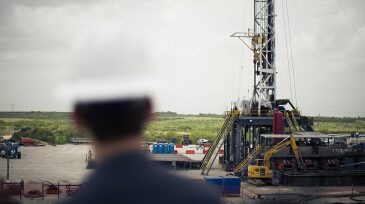
 In the Eagle Ford, an integrated approach to engineering and operations was key to optimize performance and improve understanding of the area.
 -
A number of companies are pushing for alternative approaches to offshore development that seek to access marginal reservoirs. Their differing and unique ideas call for a departure from the usual playbook, but share a common goal of slashing capital costs.
-
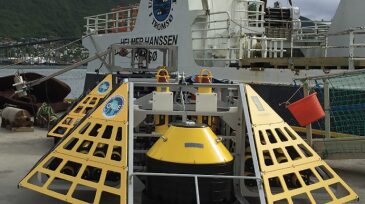
Anyone selling something new for offshore exploration and production has to be able to answer a simple question from customers, “How can we save some money?” For Norwegian oil companies, change is coming in many forms: steel, sensors, software, and standards.
-
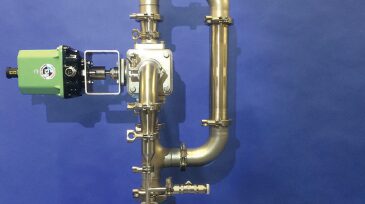
Automated particle-size analyzers are something you will not see on most drilling rigs, but some think this outside-the-oil-field technology will play a big role in the future of the drilling sector.
-
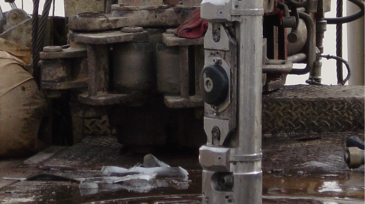
A pilot project carried out by Hess demonstrates how quickly automated drilling technology is able to take a rig from the bottom of the pack in terms of performance and push it to the top.
-
On the basis of safety performance results achieved through automation downstream, an operator set out to achieve the same advances in its upstream business.
-
Vimlesh Bavadiya is leading a team of engineering students at the University of Oklahoma (OU) to repeat its victory in SPE’s Drillbotics competition next year.
-
While there is talk about automation killing jobs, the reverse appears more likely as rigs have evolved to drill more difficult wells. Drilling automation will require more and better training programs to take full advantage of the technology.
-
The drilling-systems-automation roadmap (DSA-R) initiative is a cross-industry effort launched in June 2013 to help accelerate the adoption of advancements in drilling-systems automation (DSA) for both onshore and offshore wells.
-
Researchers at the University of Texas at Austin (UT) have set an audacious goal to halve the time, cost, and number of rig personnel required for drilling every type of well, from unconventional shale to ultradeepwater.