Drilling automation

This edition highlights three offshore technology papers that address a common industry theme: how targeted engineering solutions can reduce uncertainty, shorten operations, and make technically constrained offshore well activities more executable.

Sponsored
With operators under pressure to deliver more energy with fewer resources, predictable drilling performance is more important than ever. Discover how a unified digital workflow can turn drilling data into better decisions and consistent execution—providing the foundation for autonomous drilling and more predictable, profitable, and productive wells at scale.

Current classifications often do not capture the complexity of autonomy in drilling systems. By integrating concepts from aerospace, control theory, and other high-risk industries, this study presents a quantitative framework for systematically assessing and comparing levels of drilling autonomy.
-
 The RoboWell technology for well control will be available globally through Halliburton’s Landmark iEnergy hybrid cloud.
 -
A universal, automated approach to condition-based maintenance of drilling rig mud pumps is developed using acoustic emission sensors and deep learning models for early detection of pump failures to help mitigate and reduce costs and nonproductive time generally associated with catastrophic pump failures.
-
The SPE Drilling and Wells Interoperability Standards group proposes a dual-path strategy to overcome the technical and commercial barriers facing the advancement of drilling automation.
-
This paper describes an autonomous drilling approach using an autocurve-drilling mode to automatically drill curved sections without human intervention and complete autonomous well construction.
-
This paper presents an approach for automatic daily-drilling-report classification that incorporates new techniques of artificial intelligence.
-
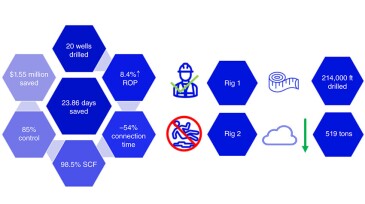
The authors of this paper present the results of implementing a rig-automation solution applied to 20 wells in Ecuador in 2022.
-
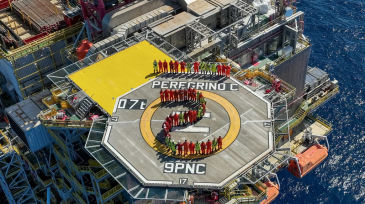
The oilfield service giant said it has taken another big step toward fully autonomous drilling operations in its latest project offshore Brazil.
-
The companies have integrated their platforms in an effort to increase flexibility and interoperability.
-
This paper describes an 18-month intensive continuous improvement process between an operator, a rig contractor, and bottomhole-assembly (BHA) service providers aimed at reducing BHAs per well in two Oklahoma rigs.
-
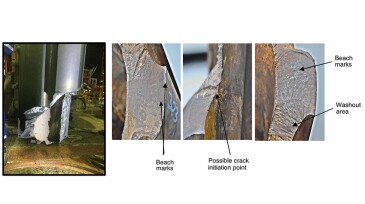
This paper presents the study, resulting recommendations, and a proposed change in standard bottomhole-assembly configurations to reduce service-quality-compromising incidents and productive time lost from jar twistoffs.