Drilling automation

This edition highlights three offshore technology papers that address a common industry theme: how targeted engineering solutions can reduce uncertainty, shorten operations, and make technically constrained offshore well activities more executable.

Sponsored
With operators under pressure to deliver more energy with fewer resources, predictable drilling performance is more important than ever. Discover how a unified digital workflow can turn drilling data into better decisions and consistent execution—providing the foundation for autonomous drilling and more predictable, profitable, and productive wells at scale.

Current classifications often do not capture the complexity of autonomy in drilling systems. By integrating concepts from aerospace, control theory, and other high-risk industries, this study presents a quantitative framework for systematically assessing and comparing levels of drilling autonomy.
-
 A joint webinar conducted by the Human Factors and Ergonomics Society and the Society of Petroleum Engineers addressed the role of human factors in automation in the oil and gas industry.
 -
This paper highlights the potential of machine learning to be used as a tool in assisting the drilling engineer in bit selection through data insights previously overlooked.
-
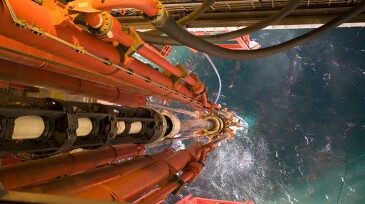
The authors write that simple changes in drillstring design can lead to huge savings in a climate that demands continual reductions in well-delivery time and well costs.
-
The SPE Workshop “Impact of Digitalization on Drilling Operations” began on 29 November in Al-Khobar, Saudi Arabia, welcoming 316 attendees from 17 countries and 44 companies.
-
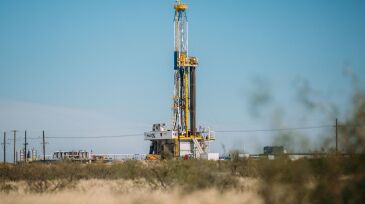
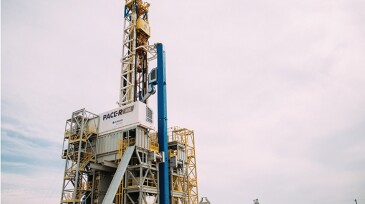
Nabors' RZR-equipped rig has successfully drilled multiple horizontal wells in the Permian Basin.
-
Remote operations and automation have reshaped the drilling landscape in recent years, but this may be just the beginning. Find out here which big milestones may be coming up next for the drilling sector.
-
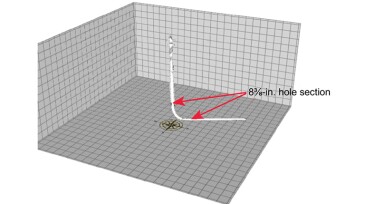
This paper presents an automated directional-drilling process executed on a commercial well in the Norwegian sector of the North Sea, where a next-generation intelligent rotary steerable system completed a well section in a single run.
-
This paper describes a collaboration between the operator and a service company that resulted in a successful deployment of an automation platform to manage risks and optimize drilling operations in exploration wells.
-
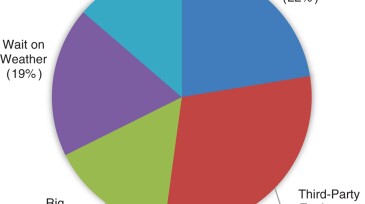
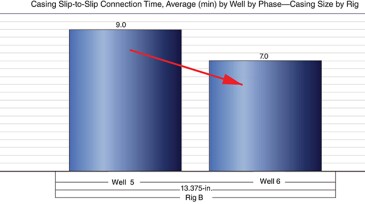
This paper discusses the strategy, approach, and challenges faced in the adoption and implementation of an onsite and remote automated-drilling performance measurement.
-
An automated detection application helped identify stringers early for an operator of a mature field in the North Sea while drilling multilateral wells through reservoir sections containing hard calcite stringers interspersed in sand formations with low unconfined compressive strength. The application guided drilling decisions that minimized invisible lost time and sh…