Drilling

This paper presents the application of degradable particulate-diverter technology to improve oil production by effectively diverting stimulation treatment fluids away from high-water-cut, high-permeability, high-temperature producing intervals or zones.

This case study from ARC Resources and DarkVision outlines the use of acoustic imaging tools in two active fracturing programs in Canada to monitor well casing deformation.

Adequate consideration must be given to the potential effect of each fluid on the successive phase operations to ensure integrated well-fluids system management.
-
 In the past, most wells have been drilled using conventional methods, but the landscape is changing as economic pressures have forced the drilling industry to refocus.
-
Bottomhole assemblies (BHAs), as part of the drilling system, have dominating effects on the functionality and effectiveness of other system components. BHA design, usage, and monitoring must promote drilling-system compatibility, efficiency, and reliability.
-
Correct placement of the rotary-speed sweet spot of a bottomhole assembly (BHA) provides multiple benefits toward achieving the ultimate goal of drilling to section total depth in a single trip.
-
Microdoglegs are a natural effect of any vertical or directional well that can explain a wide variety of downhole problems.
-
A new fatigue-management work flow provides drillers with a tool to simulate and predict the life expectancy of bottomhole assemblies (BHAs) before fatigue causes problems.
-
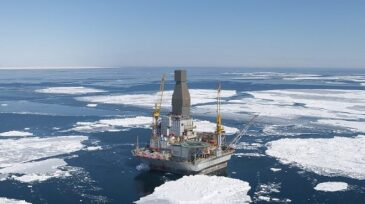
Advancements in extended-reach drilling continue from the ExxonMobil-operated Sakhalin-1 project. The latest “super complex” horizontal well stretches 15,000 m, which partner Rosneft says is a “world record.”
-
new drilling method provides a solution for challenges encountered in drilling of long horizontal wells, incorporating a dual drillstring with a separate channel for the return fluid from the well.
-
The complete paper discusses the advancements in mud-displacement simulation that overcome the limitations of the previous-generation simulator and provide a more-realistic simulation in highly deviated and horizontal wells.
-
The purpose of this paper is to demonstrate how inaccuracy in standard directional-surveying methods affects wellbore position and to recommend practices to improve surveying accuracy for greater confidence in lateral spacing.
-
Drilling in high-pressure/high-temperature conditions poses numerous challenges. Drilling fluid is subjected to extreme pressure and temperature, and its properties such as viscosity are affected strongly by pressure and temperature. Viscosity decreases with temperature and increases with pressure.