Drilling

This edition highlights three offshore technology papers that address a common industry theme: how targeted engineering solutions can reduce uncertainty, shorten operations, and make technically constrained offshore well activities more executable.

This paper aims to establish a set of best practices for generating particle-size-distribution data from core samples.

This paper discusses the successful execution of two openhole gravel-pack completions in two Gulf of Mexico fields with depleted reservoirs.
-
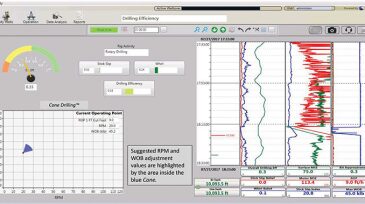
 A work flow that combines optimization of the drillstring and bottomhole-assembly (BHA) design during well planning and then applies advanced surveillance tools to a well-trained drilling crew yields reduced vibrations and higher drilling rates.
 -
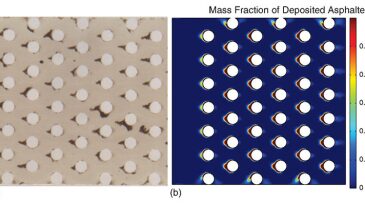
Asphaltene precipitation and deposition in production tubing and surface facilities are well-documented issues, and different methods are available to manage them.
-
Researchers have developed a drilling-data-aggregation and -distribution system that seamlessly integrates all forms of data, file types, and communication protocols and incorporates human-factors engineering in the design.
-
The boom in organic shale plays has revealed the critical need to size hydraulic-facture treatments correctly to achieve commercial success.
-
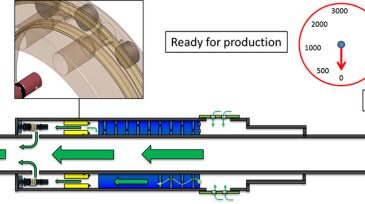
This paper discusses the first deployment of an ICD system combined with an OBC system for a workover operation in a mature producer well in the Kingdom of Saudi Arabia.
-
Rockwell Automation’s Luis Gamboa explains his company’s new solution designed to allow operators to collect, sort, and reconcile the quality and quantity of data from multiple sources to optimize field data.
-
This new deal marks the second major acquisition of an offshore drilling company since the onset of the industry downturn.
-
While the slowdown offshore persists, this 96-year-old drilling outfit says that sharing its high-tech simulators with more of its clients will strengthen the business.
-
Software that offers turn-by-turn directions for drilling a horizontal well could drastically reduce the number of directional drillers.
-
Wellbore-construction methods, especially casing-and-cementing practices for the protection of freshwater aquifers, have been reviewed in the Piceance, Raton, and San Juan Basins in Colorado.