Drilling

This paper presents the application of degradable particulate-diverter technology to improve oil production by effectively diverting stimulation treatment fluids away from high-water-cut, high-permeability, high-temperature producing intervals or zones.

This paper presents the methodology for developing drill-in organophilic clay-free invert-emulsion-fluid technology that enhances well production through fundamental geological studies and fluid testing.

This paper presents the large-scale deployment and operational integration of an advanced, automated rheometer in the Ghawar gas field, one of the world’s most prolific and technically complex hydrocarbon developments.
-
The well was spudded from the new Azeri Central East platform in the giant ACG field in the Caspian Sea.
-
 Few oil and gas companies give data science projects the better part of a decade to prove out, but that’s just what this one did.
-
As bottomhole-assembly and drill-bit design and operation have embraced new technologies such as artificial intelligence, new materials and manufacturing techniques, and improved design software, the industry continues to research methods of optimizing delivery and understanding of already globally used technologies.
-
This paper describes an 18-month intensive continuous improvement process between an operator, a rig contractor, and bottomhole-assembly (BHA) service providers aimed at reducing BHAs per well in two Oklahoma rigs.
-
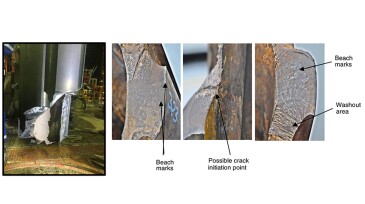
This paper presents the study, resulting recommendations, and a proposed change in standard bottomhole-assembly configurations to reduce service-quality-compromising incidents and productive time lost from jar twistoffs.
-
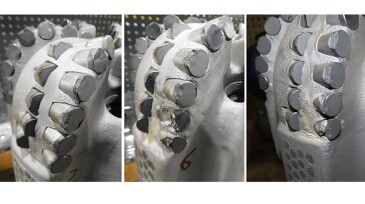
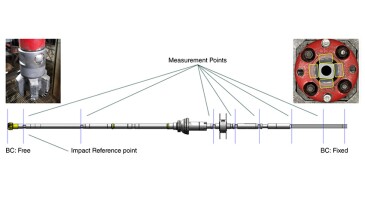
This paper discusses a full-scale drilling test rig that allows comprehensive study of the influences of bit characteristics on high-frequency torsional oscillations (HFTO) for the first time.
-
An estimated $35 billion in investment is expected to pour into geothermal projects in Kenya and Ethiopia through 2050.
-
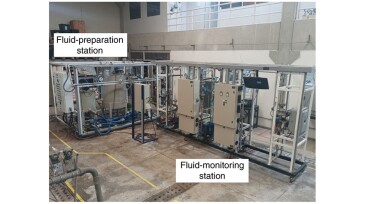
This paper presents the concept of a supervisory and advisory system dedicated to support the detection of abnormal events and to provide guidelines for fluid treatment.
-
This paper describes the success of using a new low-equivalent-circulating-density organophilic clay-free inverted emulsion fluid in gas reservoirs at elevated temperatures and with differential pressures up to 4,500 psi.
-
This paper describes a systematic full-scale test program to study and optimize solids-control efficiency with hollow-glass-beads drilling fluids.