Drilling

As Egypt’s largest oil and gas investor, Eni is ramping up its 2026–2027 drilling campaign with new investments cross the Mediterranean offshore, Nile Delta, Western Desert, and offshore Sinai to strengthen the country’s role as a regional gas and LNG export hub.

The deals, with a potential value exceeding $3.7 billion, are aimed at strengthening Saudi Aramco’s supply chains and expanding its use of industrial artificial intelligence.

Brownfield redevelopment and new exploration projects could lift Venezuelan output above 2 million B/D by next decade.
-
 Coreflooding is one of the principal tools through which we qualify drilling and completion fluids and assess the potential for formation damage, but is it relevant? By “relevant,” I mean does it give an accurate portrayal of the likely performance of the selected fluids.
 -
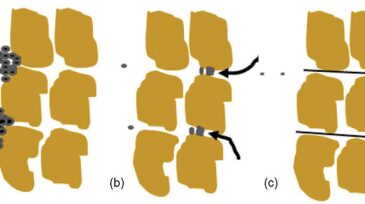
An extensive laboratory study was carried out with two objectives: to evaluate the effect of water quality on injectivity of disposal wells with reservoir core plugs and to restore injectivity of damaged wells.
-
A reservoir-conditions coreflood study was undertaken to assist with design of drilling and completion fluids for a Norwegian field. Multiple fluids were tested, and the lowest permeability alterations did not correlate with the lowest drilling-fluid-filtrate-loss volumes.
-
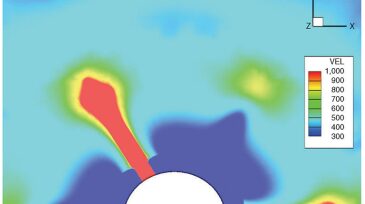
The complete paper presents a numerical work flow to simulate the effect of flow-induced fines migration on production decline over time in deepwater reservoirs.
-
The two supermajors and offshore powerhouses are assessing the latest Gulf of Mexico discovery.
-
The Irving, Texas-based supermajor plans to cash in on its expanded foothold in the Permian Basin, aided by a big reduction in the US corporate tax rate.
-
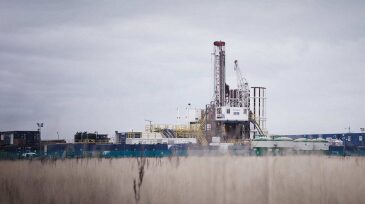
Overcoming numerous regulatory hurdles, Cuadrilla Resources is pressing ahead with its plans to fracture a well in the UK for the first time since 2011.
-
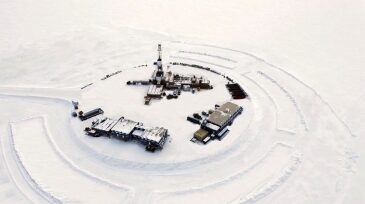
Major oil discoveries by Armstrong Oil & Gas and ConocoPhillips have compelled the US Department of the Interior to reassess its estimate of undiscovered, technically recoverable resources in parts of Alaska.
-
Nonaqueous drilling fluids have been used extensively by the industry, particularly in complex drilling scenarios. They carry some concerns, however, with implications for well integrity.
-
Managed-pressure drilling (MPD) challenges the conventional drilling paradigm, along with drilling-contractor and operator policies and standards. Conventional drilling practices for connections, flow checks, tripping, and well control have been long understood and standardized.