Drilling

This paper aims to establish a set of best practices for generating particle-size-distribution data from core samples.

This paper discusses the successful execution of two openhole gravel-pack completions in two Gulf of Mexico fields with depleted reservoirs.

A shared digital mindset across subsurface, subsea, and drilling and wells is accelerating well planning at Vår Energi.
-
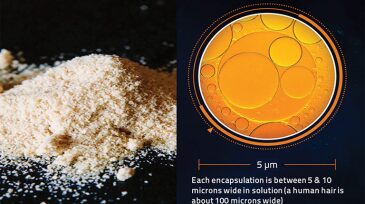
 A biotechnology company from the San Francisco Bay Area is selling a futuristic solution to an old problem: lubricating drill bits grinding though rock.
 -
A surface-based torque and tension sub (TTS) was used to perform measurements while drilling several extended-reach horizontal wells.
-
The drilling-systems-automation roadmap (DSA-R) initiative is a cross-industry effort launched in June 2013 to help accelerate the adoption of advancements in drilling-systems automation (DSA) for both onshore and offshore wells.
-
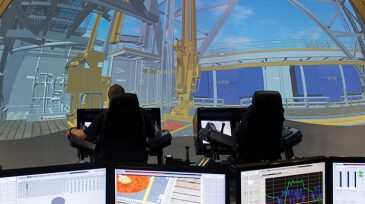
Well control training programs for deepwater drillers and key rig personnel are undergoing a major overhaul that has been years in the making.
-
After the 2010 subsea blowout of the Macondo well that resulted in 11 deaths and the worst oil spill in US history, early kick detection technology found itself at the top of the wish list for regulators and offshore companies seeking to avoid similar accidents.
-
The mixed-salinity environment poses a significant challenge in petrophysics.
-
Recent experience with a newly introduced sampling-while-drilling service has shown that it is possible to make reliable downhole formation-fluid-property estimates during sampling-while-drilling operations.
-
In June, Mexico’s national oil company Pemex announced its largest discoveries of oil and gas in 5 years. Located in the shallow-water basin of the Gulf of Mexico offshore Tabasco and Campeche, the four new fields are estimated to hold 350 million bbl of oil.
-
Researchers at the University of Texas at Austin (UT) have set an audacious goal to halve the time, cost, and number of rig personnel required for drilling every type of well, from unconventional shale to ultradeepwater.
-
Technology developers are working on a new ultrasonic flowmeter for drilling fluids aimed at obtaining better measurements than current systems with far fewer disruptions to rig systems.