Drilling

This paper presents the application of degradable particulate-diverter technology to improve oil production by effectively diverting stimulation treatment fluids away from high-water-cut, high-permeability, high-temperature producing intervals or zones.

This case study from Tomax outlines the use of artificial intelligence to analyze high-fidelity data of the full drilling process.

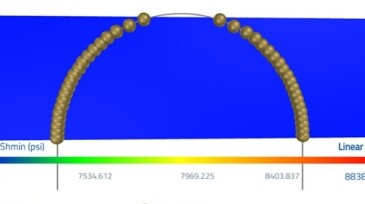
This case study from ARC Resources and DarkVision outlines the use of acoustic imaging tools in two active fracturing programs in Canada to monitor well casing deformation.
-
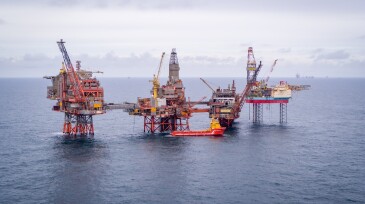
 This paper details a gravel packing operation in the Martin Linge field in the North Sea that marks the highest density carrier fluid openhole gravel pack completed successfully worldwide, setting a new standard for well completions in challenging high-pressure environments.
-
The tie between US crude output and key indicators such as rig counts and the number of new wells has significantly weakened.
-
Majors and independents alike are targeting high-impact wells across the globe to boost future oil and gas production volumes.
-
This paper presents the mitigation of drilling challenges encountered in the Niger Delta through a technique that relates shale resistivity to shale porosity and vertical effective stress to predict pore pressure.
-
This work provides a new modeling tool, validated against a static-wellbore solver and field data, to estimate and manage downhole temperature in higher-temperature oil, gas, and geothermal wells.
-
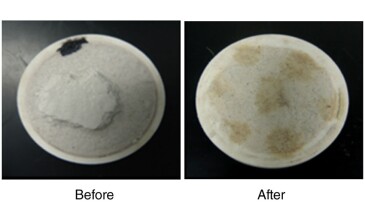
This paper describes results of a study indicating that an enzyme/in-situ organic acid generated cleanup system was effective at degrading filter cake for a water-based-mud field sample, reflected in the obtained return permeability of nearly 83%.
-
The Research Council of Norway’s $118,000 grant will support development of longer fishbone laterals to raise production while lowering carbon footprints.
-
The effects of aging and temperature on the performance of one-part “just add water” granite based geopolymers are studied for application in well cementing and abandonment. Further studied is the role of zinc as a strength enhancer over a long curing period.
-
New studies examine whether two innovative well designs should have a bigger role to play in the race to get more value out of tight rock reservoirs.
-
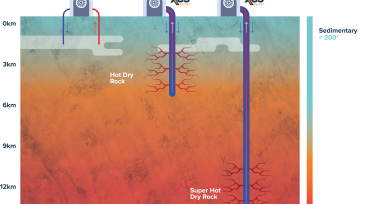
Backed by more than $28 million in fresh investments, XGS Energy is prepping to introduce a new technology called thermal reach enhancement.