Drilling

This paper presents the application of degradable particulate-diverter technology to improve oil production by effectively diverting stimulation treatment fluids away from high-water-cut, high-permeability, high-temperature producing intervals or zones.

This paper presents the methodology for developing drill-in organophilic clay-free invert-emulsion-fluid technology that enhances well production through fundamental geological studies and fluid testing.

This paper presents the large-scale deployment and operational integration of an advanced, automated rheometer in the Ghawar gas field, one of the world’s most prolific and technically complex hydrocarbon developments.
-
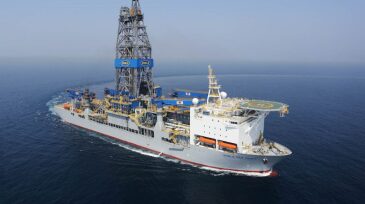
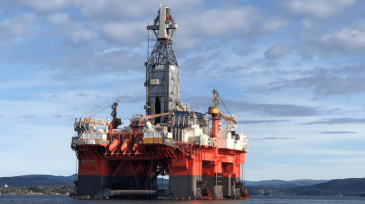
 Industry awaits the results of Apache’s Maka Central-1 exploratory well offshore Suriname, where high expectations follow the rapid exploration success of neighboring Guyana.
-
This paper compares the performance of three mature-field horizontal infill wells, one of which is completed with autonomous inflow-control devices (AICDs).
-
A new 3D drillstring model determines the static and dynamic behavior of bottomhole assemblies (BHAs) in realistic wellbores.
-
This paper presents dynamic simulations, prototype testing, and field-test results of a BHA component that isolates the upper part of the BHA from HFTO.
-
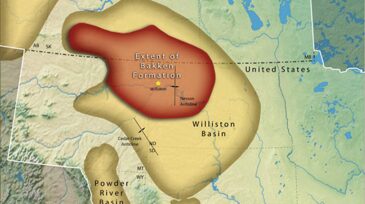
Multistage horizontal well designs were first implemented in the Bakken in 2007. Since then, more than 12,000 wells have been completed in either the Middle Bakken or Three Forks zones.
-
This paper examines multiple factors that can affect the severity of stick/slip and measures their actual effect.
-
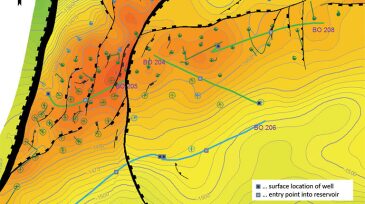
Field N is a complex heavy-oil field in the north of the Sultanate of Oman. The dynamic behavior of Field N is characterized by strong aquifer and is dominated by bottomwater drive.
-
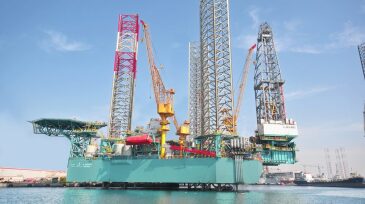
ADNOC’s drilling subsidiary has increased its rig fleet to 95 and plans to add “dozens” more by 2025.
-
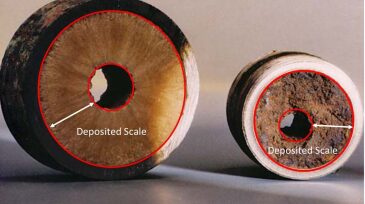
Scaling buildup inside wellbores is a serious production problem that dramatically reduces the well productivity index. This issue has a significant cost across the industry, mostly associated with loss of production or additional operations such as well intervention.
-
By using the four converter-battery systems, the operator estimates it will be able to reduce the runtime of the rig’s on-platform diesel engines by 42%, cutting CO2 emissions by 15% and NOx emissions by 12%.