Drilling

This edition highlights three offshore technology papers that address a common industry theme: how targeted engineering solutions can reduce uncertainty, shorten operations, and make technically constrained offshore well activities more executable.

This paper aims to establish a set of best practices for generating particle-size-distribution data from core samples.

This paper discusses the successful execution of two openhole gravel-pack completions in two Gulf of Mexico fields with depleted reservoirs.
-
 Drilling activity in US shale plays is slowing as operators encounter higher prices for labor, equipment, and services, and lower prices for the oil and gas produced.
 -
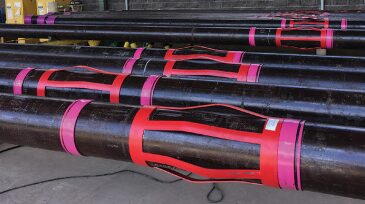
A new attachment system overcomes the limitations of traditional methods for securing tools and accessories to drilling and completion strings.
-
An analyst from Rystad looks at the state of the offshore drilling market and the likelihood of recovery by 2021.
-
Brazing technology allows metallurgical joining of dissimilar materials by use of a filler material.
-
Advanced horizontal drilling, multistage hydraulic fracturing, and other technologies have helped make the Vaca Muerta shale oil and gas resource economically viable.
-
A new process system compatible with all types of drilling rigs is opening the door to wider adoption of drilling automation in North America’s shale sector.
-
The offshore drilling sector has taken a step towards consolidating an oversupplied market and Ensco will emerge from this most recent deal as the owner of the largest combined fleet of floaters and jackups.
-
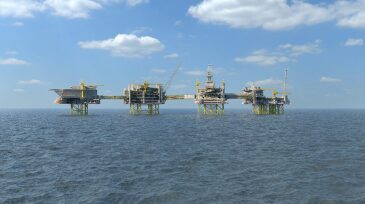
By creating a different sort of partnership for a drilling project with close cooperation and greater efficiency built into every detail, including the contracts, Statoil was able to halve the cost of drilling eight wells at its Johan Sverdrup field.
-
Along its journey to full-automation, the US drilling sector is facing a series of important crossroads that will determine what the so-called “rig of the future” really will be.
-
This paper presents a critical review of the recent literature to determine the status of research and development and field application of nanotechnology in the oil field.