Drilling
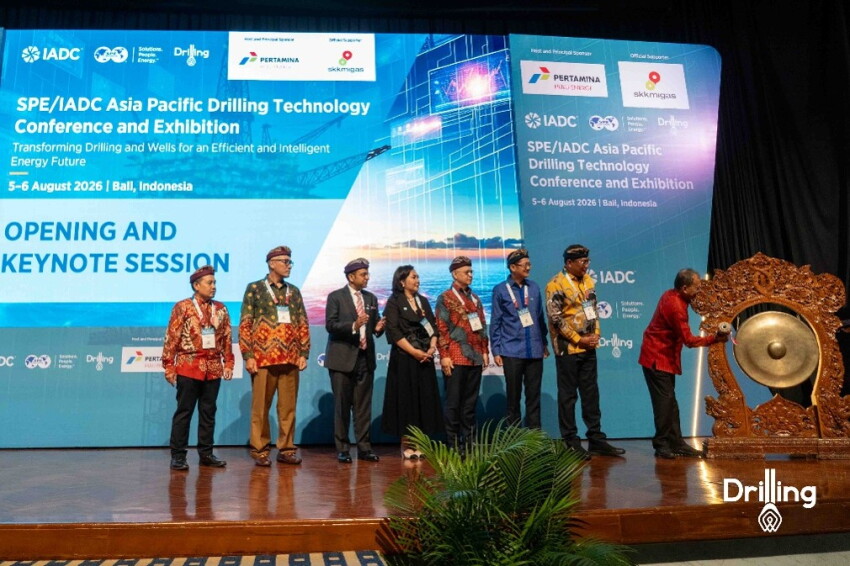
More than 900 drilling and well professionals from 30+ countries gathered at APDT 2026 in Bali to explore how AI, automation, and advanced well technologies are driving safer, smarter, and more efficient drilling across Asia Pacific.

This paper presents laboratory-testing methods and evaluation criteria designed to improve understanding of both the origin and extent of formation damage associated with CO2 injection.

This work introduces an analytical model for nonisothermal CO2 injection that accounts for both Joule-Thomson cooling and interformation heat exchange.
-
 Angola expects an 18% rise in natural gas production by 2030 as global producers invest in offshore exploration and new field development.
 -
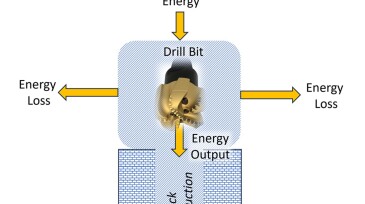
Developing the theory of mechanical specific energy from the perspective of instantaneous drilling power rather than the compressive strength of the formation leads to an improved understanding of drill-bit mechanical efficiency.
-
The oilfield service company will supply power plants capable of electrifying 180,000 US homes with geothermal energy.
-
This article is the fourth in a Q&A series from the SPE Research and Development Technical Section focusing on emerging energy technologies. In this piece, David Reid, the CTO and CMO for NOV, discusses the evolution and current state of automated drilling systems.
-
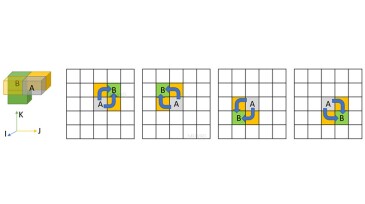
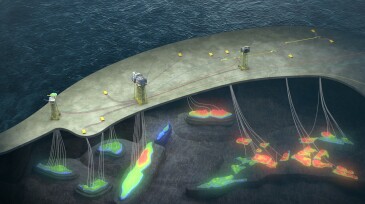
This paper presents an efficient mathematical optimization method for well placement that maximizes contact with the productive zones for the best locations in the reservoir.
-
The operator estimates discovering more than 96 million BOE of recoverable volumes with its latest Norwegian North Sea exploration activity.
-
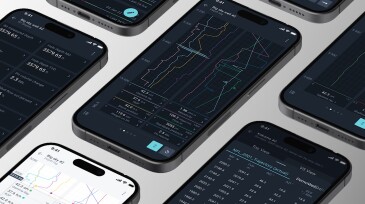
SponsoredKongsberg Digital’s mobile companion to the SiteCom platform is designed to keep wellsite insight close at hand, wherever the job takes you.
-
The new schedule plans for sales in the US Gulf and Alaska through 2039.
-
Researchers with the National Energy Technology Laboratory showed that naturally occurring signals in underground fluids can serve as effective indicators of flow patterns between existing wellbores. Understanding these patterns can lead to increased efficiency and safety.
-
The number of high-impact wells drilled across the globe this year are expected to be on trend with the most recent 5-year average.