Drilling

This paper presents a study that confirms glass-reinforced-epoxy-lined tubing as a reliable, cost-effective solution for long-term water-injection service in moderate-salinity offshore environments.
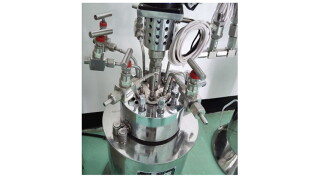
This study aims to systematically assess casing integrity and corrosion risks associated with CO2 injection in oil-recovery operations.

This paper presents findings reinforcing the argument that acid fracturing is a strong alternative stimulation method to improve productivity in the Austin Chalk formation.
-
 When Hess, Halliburton, and Nabors sat down to create a single plan to stream on the driller’s display, they needed to work out a lot of differences, including the definition of the word "activity."
 -
SPYDR, MetaRock team up with Pioneer Natural Resources for a pilot program in the Permian Basin to test real-time fluid monitoring.
-
The two companies have agreed to team up so their most-valued drilling-automation programs can be used together easily. The relationship has shined a bright light on drilling automation.
-
Offline cementing was used to develop a marginal field in Malaysia. The development was made possible through distinctive wellhead technology and good operational planning.
-
Whether considering the customization of drilling approaches in Middle Eastern carbonate reservoirs, implementing a collaborative work flow in tackling high-tortuosity wells offshore Western Australia, or researching the ability of a fibrous material to effect hole cleaning as opposed to polymeric sweeps, the authors of these papers understand that technical expertise…
-
Effective use of downhole dynamics and mechanical specific energy data played a critical role in delivering a well that was the longest in the Middle East, and the fourth-longest globally, at the time of writing.
-
This paper describes the path to implementation of full casing rotation during primary cementing jobs.
-
A specialized fibrous material was examined and was found to be effective for hole-cleaning applications.
-
This paper describes the path to implementation of full casing rotation during primary cementing jobs.
-
Fluid identification, a critical process in fluid sampling, continues to be a challenge in temperatures above 350°F. At temperatures up to 450°F, fluid identification is currently achieved by bubblepoint and compressibility measurements, which cannot quantitatively measure contamination levels of the sample fluid. A possible solution involves using pyroelectric detect…