Emission management

This paper presents a flexible, highly cost- and energy-efficient method of gas separation and CO₂ capture from many different gas mixtures with a large range of CO₂ concentrations.

Emissions management covers a wide array of topics such as carbon capture, use, and storage; emissions monitoring; flare management; methods to improve operational efficiency; carbon accounting; and the effect of emissions management on global and local economics. The papers published in the past year span all these subcategories.

This study explores the carbon-capture and mineralization potential of ultramafic rock powders when exposed to flue gases generated from combustion of crude oil and mesquite-derived charcoal.
-
 SponsoredFrac operators are continuously challenged by pressures to increase ROI and simultaneously decrease emissions. But is it really possible? New technology released in February from Catalyst Energy Services proves that it is possible. And the results are compelling.
 -
SponsoredImprove modeling accuracy and reduce the risk of unplanned downtime. Complete more accurate comprehensive pressure safety studies faster by eliminating the need for multiple applications.
-
Gas flaring, which accounts for 30% of carbon emissions from fossil-fuel operations, dropped globally to a 10-year low in 2021, but questions remain whether 2022 will see a rebound as the industry reboots in a post-COVID-19 world with oil and gas supplies tightening.
-
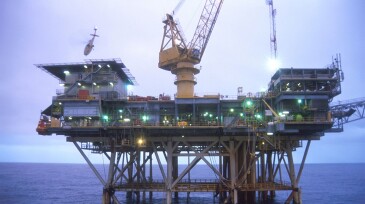
ExxonMobil has initiated front-end engineering design studies to determine the feasibility of developing a South East Australia carbon capture and storage hub in the Bass Strait, where some of Australia’s oldest offshore oil and gas fields are to be decommissioned.
-
Oil producers encountering pockets of methane typically use flare stacks to burn off the vented gas. However, winds blowing across conventional open flame burners often result in 40% or more of the methane escaping into the air.
-
The agency’s new Global Methane Tracker analysis reports that methane emissions from the energy sector are 70% higher than official figures.
-
It seems obvious that to manage the reduction of methane emissions an operator needs to measure the emissions, report them accurately, and then take action to mitigate them. But what might seem obvious gets tricky: Just what matters, and how can an operator efficiently and accurately measure those factors?
-
The study assessed the CO2 footprint and NO2 emissions for different drill-cuttings treatment alternatives. The values were then used to create an emissions calculator that can be applied to projects to clarify the actual potential for emissions reduction within the drilling-waste-management process.
-
The authors determine that economical and environmentally responsible solutions exist for fluid disposal during well-testing operations.
-
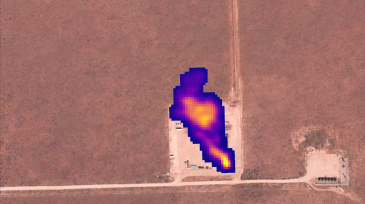
EDF and Carbon Mapper find more than two dozen facilities producing the same near-term climate pollution as about 500,000 passenger vehicles.