Emission management

This paper presents a flexible, highly cost- and energy-efficient method of gas separation and CO₂ capture from many different gas mixtures with a large range of CO₂ concentrations.

Emissions management covers a wide array of topics such as carbon capture, use, and storage; emissions monitoring; flare management; methods to improve operational efficiency; carbon accounting; and the effect of emissions management on global and local economics. The papers published in the past year span all these subcategories.

This study explores the carbon-capture and mineralization potential of ultramafic rock powders when exposed to flue gases generated from combustion of crude oil and mesquite-derived charcoal.
-
 Moving the needle with the urgency required to deliver on the Global Methane Pledge announced at COP26 requires us to “lean in” to cut methane emissions that are fully within our control across our operations.
 -
While uncertainties remain for the coming year, there is also optimism for the upstream industry, a welcome prospect following two sharp downcycles in less than 6 years.
-
The US government is looking to size up efforts related to leak detection and repair practices.
-
For more than a century, the oil industry magnificently improved the lives and health of humankind. Those gains help support a moral case to expand some use of fossil fuels but not to release them. Now it is time to lean in to solving the last step of our direct emissions.
-
A produced-water management framework is presented, forming part of an upstream-effluent management policy, to address the minimization and ultimate elimination of treated and untreated produced-water discharge.
-
An overview of methane emissions and the changes anticipated with the energy transition highlight resources available to SPE members and plans for cross-discipline initiatives.
-
The Russian oil and gas company is combining its experience with that of the leading nuclear-power producer to develop hydrogen and decarbonization projects on Sakhalin Island.
-
The White House is taking a governmentwide approach to reducing emissions in the oil and gas industry.
-
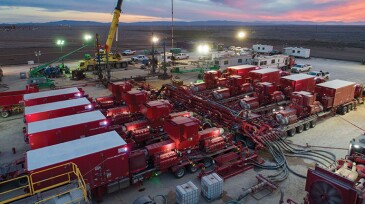
Electric-powered fracturing fleets looked impressively resilient in 2020 amid what was otherwise a significant collapse for the hydraulic fracturing sector. Today, the situation is more complicated.
-
Tracking the Energy Transition: The Decarbonization Puzzle, the Power of Wine, and Hydrogen on TrackMajor energy companies are tapping into wine residues, used cooking oil, and waste animal fat to produce biofuels. Retooling to meet clean energy goals dominated the first day of the SPE Annual Technical Conference and Exhibition. And the US and European Union launched a global methane reduction pact that has climate advocates breathing a sigh of relief just weeks bef…