Emission management

This paper presents a flexible, highly cost- and energy-efficient method of gas separation and CO₂ capture from many different gas mixtures with a large range of CO₂ concentrations.

Emissions management covers a wide array of topics such as carbon capture, use, and storage; emissions monitoring; flare management; methods to improve operational efficiency; carbon accounting; and the effect of emissions management on global and local economics. The papers published in the past year span all these subcategories.

This study explores the carbon-capture and mineralization potential of ultramafic rock powders when exposed to flue gases generated from combustion of crude oil and mesquite-derived charcoal.
-
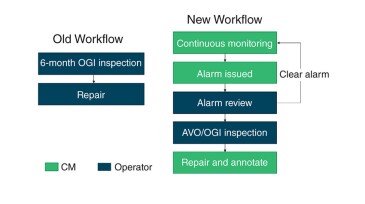
 This paper examines how data-science-driven work practices can result in substantial reductions in methane emissions compared with other leak-detection and -repair methods.
 -
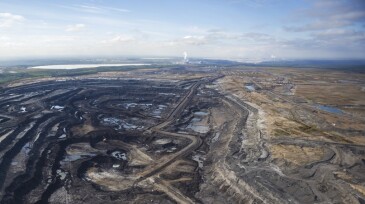
Absolute Greenhouse Gas Emissions From Canadian Oil Sands Near Flat in 2023, Even as Production GrewAnalysis by S&P shows that the annual growth in absolute emissions was less than 1% for the third consecutive year.
-
As the initiative expands to include Oil India Limited, PetroChina, and Vår Energi, it identifies a need for standardized methodologies to enhance data quality and consistency.
-
Operator also announces plans to deploy continuous, real-time detection equipment at all its operated upstream sites, including GranMorgu, by the end of 2025.
-
The rule, part of the Inflation Reduction Act established by Congress, allows the Environmental Protection Agency to charge large emitters of methane if they surpass specific levels.
-
The US Department of Energy presented the loan to LongPath Technologies to support the buildout of a high-frequency methane emissions monitoring network in US oil and gas production basins.
-
In this exclusive Q&A, Giovanni Cristofoli, senior vice president of bp Solutions, shares insights into how his team is redefining operational strategies and fostering agility to bridge competitive gaps and enhance efficiency. Highlights include the integration of digital tools, data science, and a unified approach to tackling complex problems.
-
SponsoredIncomplete combustion results in harmful emissions like methane and carbon monoxide. Qube Technologies uses continuous-monitoring sensors to detect and address these issues in real time, reducing methane emissions by 61%.
-
A recent report from the North Sea Transition Authority says the industry has delivered a 4% decrease in emissions in 2023, a fourth consecutive year of reductions, but warns operators not to be complacent.
-
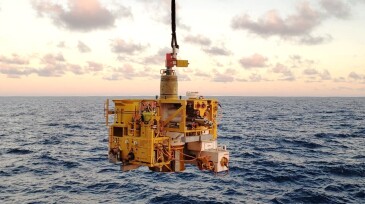
By repurposing Italy’s depleted Porto Corsini Mare Ovest offshore gas field for CO2 storage, Eni and Italian grid operator Snam have positioned the Ravenna CCS project to play a major role in the EU’s development of more than 50 mpta of CO2 storage capacity by 2030.