Emission management

This paper presents a flexible, highly cost- and energy-efficient method of gas separation and CO₂ capture from many different gas mixtures with a large range of CO₂ concentrations.

Emissions management covers a wide array of topics such as carbon capture, use, and storage; emissions monitoring; flare management; methods to improve operational efficiency; carbon accounting; and the effect of emissions management on global and local economics. The papers published in the past year span all these subcategories.

This study explores the carbon-capture and mineralization potential of ultramafic rock powders when exposed to flue gases generated from combustion of crude oil and mesquite-derived charcoal.
-
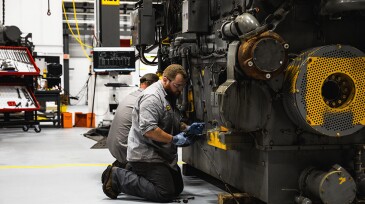
 To choose the right technologies for a gas-compression package, it’s critical for operators to have a clear understanding of their business and greenhouse‑gas emissions-related goals. Operators also need clarity concerning the impact of evolving requirements on total cost of ownership as well as potential financial ramifications.
 -
Industry experts advocate for collaboration to develop and test technology that can reduce emissions without breaking the bank.
-
Viking Energy, the world’s first LNG-powered supply vessel, is set to become the world’s first ammonia-powered supply vessel.
-
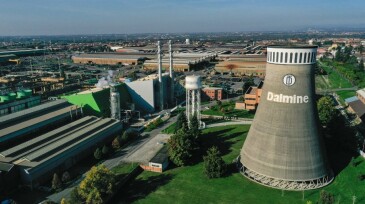
Proving that green hydrogen can efficiently power steel pipe manufacturing could advance the EU’s plan to decarbonize its heavy industry by importing the sustainable fuel from North Africa after 2030.
-
The Earth has huge capacity to store carbon dioxide emitted from energy production. This article discusses the technology of carbon capture, utilization, and storage (CCUS) and its challenges.
-
The settlement to reduce emissions in North Dakota includes the largest ever Clean Air Act stationary source penalty and is expected to result in the reduction of more than 2.3 million tons of pollution.
-
SponsoredTAQA bears the burden of reducing carbon emissions from the fossil fuel energy cycle and pays its undivided attention to decarbonizing its operations. In this article, it sheds light on its initiatives and approach to decarbonizing the oil and gas exploration and production industry.
-
Government grants and tax incentives will drive carbon capture, storage, and/or utilization projects in the next decade as the industry seeks profitable business model.
-
This paper proposes two new methods of accelerating the solidification (or mineralization) of CO2 in subsurface conditions, thus accelerating the cycle of the CO2 storage process.
-
This paper examines the shortfalls of current CO2 capture and storage measures and their future within the context of increasing global consumption of fossil fuels.