Energy transition

This paper presents a flexible, highly cost- and energy-efficient method of gas separation and CO₂ capture from many different gas mixtures with a large range of CO₂ concentrations.

This study explores the carbon-capture and mineralization potential of ultramafic rock powders when exposed to flue gases generated from combustion of crude oil and mesquite-derived charcoal.

After years of market shocks, technological breakthroughs, and rising uncertainty, ATCE 2026 will provide new insights on how industry leaders and technical experts are preparing for the next era of the upstream business.
-
 EVP Giulia Chierchia and Chairman Helge Lund are stepping down amidst difficult Q1.
 -
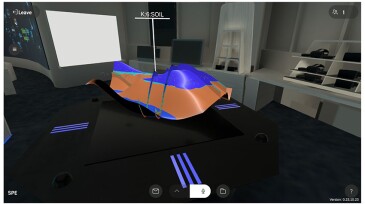
This paper presents an immersive platform that enables multidisciplinary teams and management to make decisions, connecting professionals to demonstrate and share findings in a way that capitalizes on artificial intelligence and cognitive capabilities.
-
The CEO and North America research director for Rystad Energy shares insights from a 3-year Knowledge Partnership between the global consultancy and OTC.
-
Young Professionals Leading the Energy Transition: Insights From SPE’s Beyond the Borders InitiativeIn March, 27 young professionals representing 15 SPE sections and 12 countries convened in Paris for the first edition of SPE Beyond the Borders 2025. The event served as a unique platform for cross-cultural dialogue and forward-looking discussions about the role of YPs in the energy transition.
-
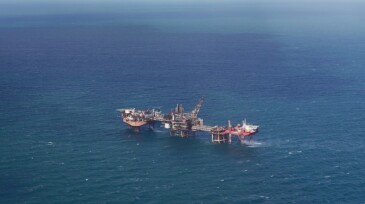
The UK North Sea Transition Authority has awarded the required permits for the East Irish Sea project, and the project has reached financial close. The carbon capture and storage project is expected to receive its first carbon dioxide in 2028.
-
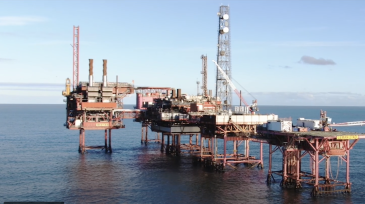
The test marks a milestone in the Poseidon CCS project, which aims to store carbon dioxide in the depleted gas reservoir below the Leman development in the southern North Sea.
-
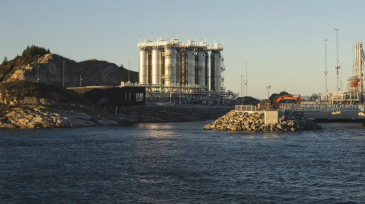
The first phase of the Norwegian project is expected to receive its first carbon dioxide this year, with the second phase slated to start operations in late 2028.
-
Industry leaders say they believe oil and gas will continue to play a pivotal role in the energy mix in the lengthening energy transition timeline.
-
Experts speaking at CERAWeek 2025 lauded industry's shift from focusing on the energy transition to prioritizing oil production.
-
A new publication from Ipieca and the International Association of Oil and Gas Producers presents a health-focused roadmap for navigating the energy transition.