Energy transition

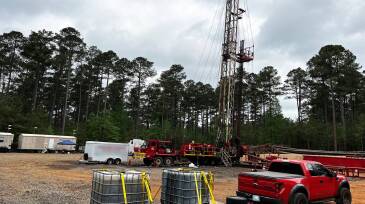
The new guidelines were released prior to reports that enhanced geothermal developer Fervo Energy experienced a blowout in Utah with no reported injuries.

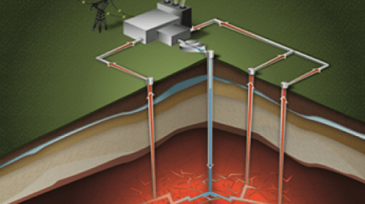
Utah, Colorado, Arizona, and New Mexico have formed the Mountain West Geothermal Consortium to turn geothermal energy into gigawatts of baseload power.

This paper presents a case study of oriented tubing-conveyed perforation followed by an acidizing operation to overcome technical challenges posed by a depleted reservoir targeted for a carbon capture, utilization, and storage project.
-
 A look at recent first‑quarter results reminds us that there is no such thing as a constant trend in our industry. Continual recalibration of companies’ activities aim to obtain positive financial results in the traditional oil and gas business while devoting efforts in a practical way to both mitigate climate change issues and to develop new forms of energy.
 -
No one expected the transition to be without hiccups, and recently, those hiccups have been heard within and outside the oil and gas industry.
-
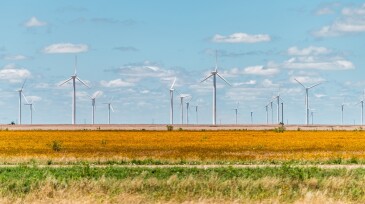
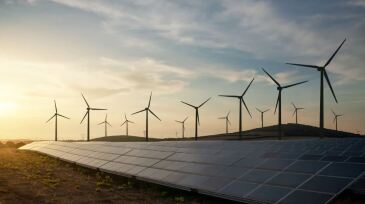
The state’s clean energy boom could be impeded by Texas leaders’ push for legislation that would boost natural gas and place new restrictions on wind and solar projects.
-
The US supermajor is said to have struck a deal that may make it a major supplier of lithium, which is needed to expand the US electric vehicle market.
-
Premier Corex and Teverra will be combining their efforts to aggregate data for companies involved in large-scale geothermal projects.
-
SPE Journal has issued a call for papers for the 11th Comparative Solution Project (CSP) Special Issue. Organized by guest editors Anthony Kovscek (Stanford University) and Knut-Andreas Lie (SINTEF), submissions that are both directly and indirectly related to the 11th CSP will be accepted.
-
One expert says there needs to be a transfer of safety culture from the traditional energy industry to the newer offshoot of renewables.
-
The consortium will leverage the oil and gas industry's 100+ years of experience and technological developments in drilling and subsurface engineering to advance geothermal.
-
Controversial metals-rich nodules sitting on the seafloor could hold the key to increased battery production needed to support the energy transition.
-
The upstream oil and gas industry continues to drive innovation in its quest to solve the monumental challenge of supplying energy to the world in an affordable, secure, and sustainable way.