Energy transition

The new guidelines were released prior to reports that enhanced geothermal developer Fervo Energy experienced a blowout in Utah with no reported injuries.

Utah, Colorado, Arizona, and New Mexico have formed the Mountain West Geothermal Consortium to turn geothermal energy into gigawatts of baseload power.

This paper presents a case study of oriented tubing-conveyed perforation followed by an acidizing operation to overcome technical challenges posed by a depleted reservoir targeted for a carbon capture, utilization, and storage project.
-
 SPE and Project Innerspace are organizing the first Geothermal AInnovation Competition. Teams from around the world are invited to participate in this virtual competition aimed at showcasing the potential of AI-assisted work flows in the geothermal life cycle.
 -
Colorado and the Gulf Coast prepare for new facilities; Chile sets out to tackle its carbon dioxide emissions; and Egypt announces plans for the largest wind farm in the world.
-
A decade ago, SPE defined key R&D and technology challenges for the industry. To address the more uncertain environment of the 2020s and beyond, we have updated the grand challenges via a January 2023 SPE workshop.
-
SPE’s professional membership has an important role to play in mitigating climate change concerns and in developing new low- or no-carbon sources of energy. We offer a forum for presenting and disseminating scientifically vetted technical information about what can be and is being done by our members.
-
Picking up the pace of innovation and demonstration of advanced nuclear reactors is required if nuclear is to play a role in decarbonization beyond electricity by providing low-carbon heat or hydrogen.
-
A new report said the US supermajor has made its second move in a month to enter the emerging lithium extraction industry.
-
A new paper warns that meeting emission reduction targets in the top US oil basin will require a fourfold increase in available grid electricity.
-
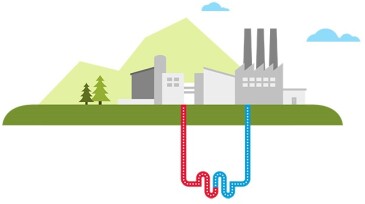
Putting into action an agreement signed in 2022, the companies will collaborate on the project to test the emerging technology for producing geothermal energy.
-
In the world of wind, Equinor has postponed its initiative indefinitely while Repsol moves ahead in Italy, and Portugal plans to auction offshore leases for wind farms.
-
The innovations in the carbon removal space are gaining attention for their potential to curb global climate change, but they each face particular challenges in implementation.