Environment

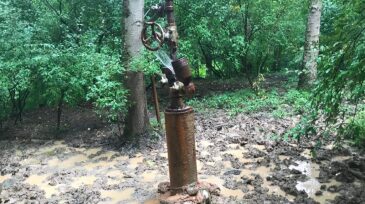
With millions of wells having been drilled in the US since the beginning of the oil age, the land is pocked with old, unused wellbores. For most, repurposing is a pipe dream. Plugging is the best option.

This guest editorial examines how the most commonly used and cited methane emissions metric can create a misleading picture of upstream gas-handling performance for both the public and industry professionals.

Spain has granted permits covering a swath of the mountain range to Mantle8 for natural hydrogen and helium exploration a month after France granted the company similar permits.
-
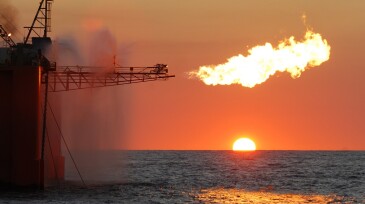
 The new guidance provides oil and gas companies, governments, and regulators with a practical framework to end flaring and use the gas as an energy resource.
 -
Denbury gains exclusive rights to develop the site on 75,000 acres near Mobile, Alabama.
-
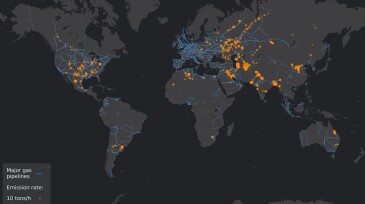
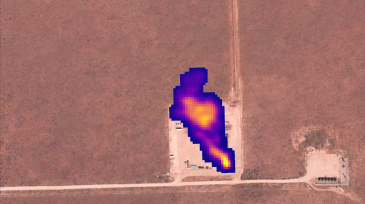
Thousands of satellite images were scrutinized by monitoring company Kayrros to identify ultra-emitters of methane, greenhouse-gas sources that cannot be detected by terrestrial monitors. Up to 150 methane plumes a month were seen, some spreading for hundreds of kilometers.
-
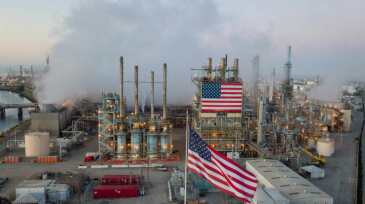
The Los Angeles City Council voted to ban new oil and gas wells in the country’s second most populous city and phase out existing wells over a period of 5 years.
-
The study assessed the CO2 footprint and NO2 emissions for different drill-cuttings treatment alternatives. The values were then used to create an emissions calculator that can be applied to projects to clarify the actual potential for emissions reduction within the drilling-waste-management process.
-
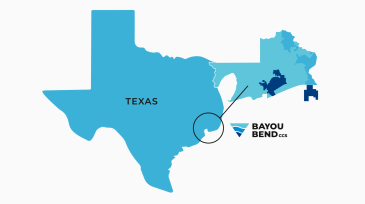
The Gulf of Mexico explorer is building off its offshore learnings to scoop up early carbon capture and sequestrations projects on the US Gulf Coast.
-
The US government has made more than $1 billion available to qualified states. The program is part of the recently passed infrastructure law.
-
The facility will be a commercial-scale CO2 sequestration hub in the DJ Basin.
-
The new 165-MW facility uses flare gas from the adjacent Sarqala field to generate power for local use.
-
EDF and Carbon Mapper find more than two dozen facilities producing the same near-term climate pollution as about 500,000 passenger vehicles.