Environment

Spain has granted permits covering a swath of the mountain range to Mantle8 for natural hydrogen and helium exploration a month after France granted the company similar permits.

This paper reviews a proof-of-concept project in which surplus casing pipes were used in the fabrication of purposefully designed artificial reef structures for the enhancement of biodiversity and commercial fisheries.
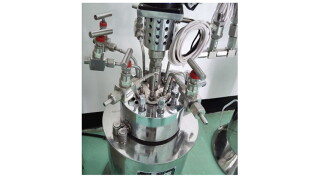
This study aims to systematically assess casing integrity and corrosion risks associated with CO2 injection in oil-recovery operations.
-
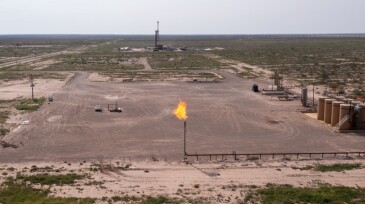
 The new report shows that the intensity of methane emissions in the Permian Basin declined by more than half over 2 years.
 -
This paper describes a risk-based self-verification process conducted through a bespoke software application.
-
This paper discusses and demonstrates the limitations of quantitative risk assessment (QRA) with respect to the usefulness of the concept in managing day-to-day and emerging risks as well as the effect of change.
-
The updates remove some requirements from two grant programs in an attempt to speed up the application process.
-
A new paper from researchers at Heriot-Watt University outlines key advances in chemistry that are driving the push in carbon capture technology.
-
The companies have signed an agreement to deliver carbon captured using Shell’s Cansolv system.
-
The North Sea project will transport and permanently store up to an initial 4 million metric tons of carbon dioxide per year, with startup expected in 2028.
-
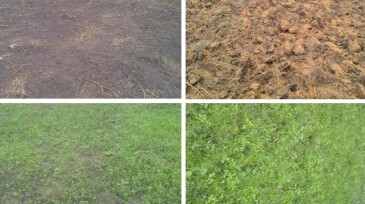
This paper presents the bioremediation of oil-contaminated soil by the application of microorganisms immobilized in coconut fiber.
-
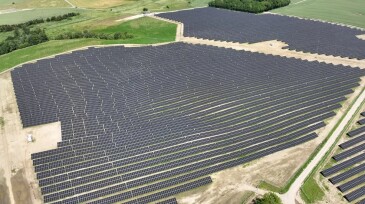
The facility has more than 100,000 solar panels and is capable of producing 65 MW.
-
The justices ruled that the company holding the oil and gas lease also lays claim to the produced water. The ruling comes as more companies are seeking to turn a profit on what has long been considered a vexing waste stream.