Environment
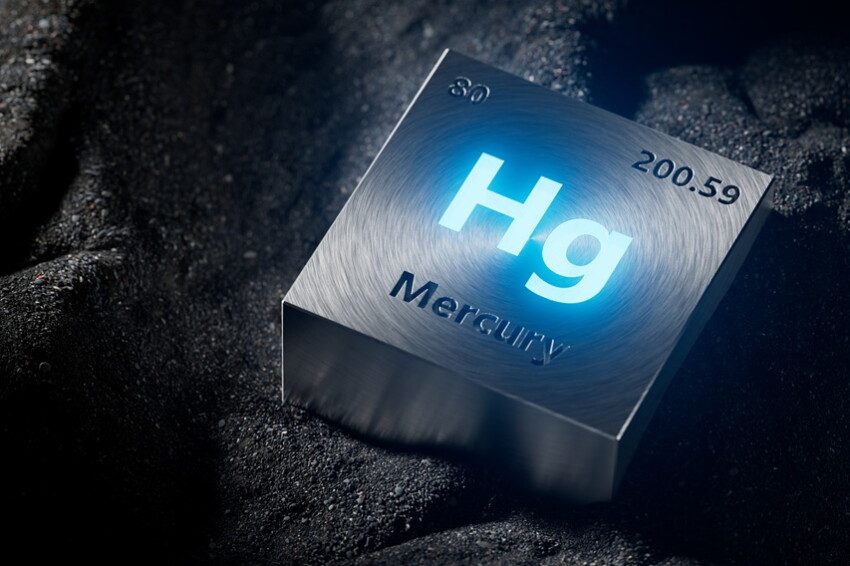
A laboratory research study evaluates several different chemical injection concepts for the removal of elemental mercury from multiphase flow.

Experts and industry leaders gathered in The Woodlands, Texas, recently to sift through the challenges of carbon capture, utilization, and storage. The puzzle is coming together, but some critical pieces are still needed before the results look like the picture on the box.

This article from the SPE Sustainable Development Technical Section (SDTS) explores how the next phase of methane performance will be defined less by pledges and more by measurement, response, and verifiable results.
-
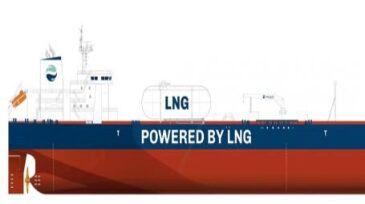
 The charter agreement for the LNG-propulsion vessels is in line with Total’s Climate Ambition and will cut down on several emissions.
 -
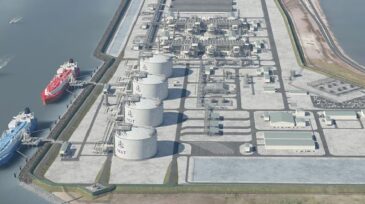
Engie’s delayed supply contract with NextDecade’s Rio Grande LNG project is for 20 years. FID on the project is expected in 2021.
-
IPIECA, the global oil and gas industry association for advancing environmental and social performance, has scheduled a virtual workshop for 2 November to look at methane science, regulations, voluntary initiatives, and global expectations.
-
Primarily used in a few US states, waste-slurry-injection technology could help operators reduce cost, while also potentially reducing their carbon footprint. But the process may still present technical and environmental challenges.
-
New regulations have recently commenced with the effect that all onshore oil and gas exploration and production proposals involving hydraulic fracturing in Western Australia now will need to be referred to the Environmental Protection Authority for assessment.
-
A federal court struck down an Obama-era regulation targeting methane leaks from drilling on public lands, arguing that it went beyond the scope of the Bureau of Land Management, which promulgated the rule.
-
Future offshore oil and gas fields are likely to be satellite developments that emit less greenhouse gas because they do not require new production platforms. A new computational tool is now enabling the design of longer pipelines that will allow many more fields to be developed as satellites.
-
Tough talk about World Bank financing for oil and gas is a sign of the growing pressure to squeeze investing in fossil fuels as a way to slash carbon emissions.
-
Plugging and cleaning up the open oil and gas wells in Texas could cost companies and taxpayers as much as $117 billion, according to a new report.
-
A state commission has approved a rule that will require companies to monitor emissions from oil and gas sites earlier and more frequently than is currently done as Colorado officials implement a law overhauling how the industry is regulated.