Environment
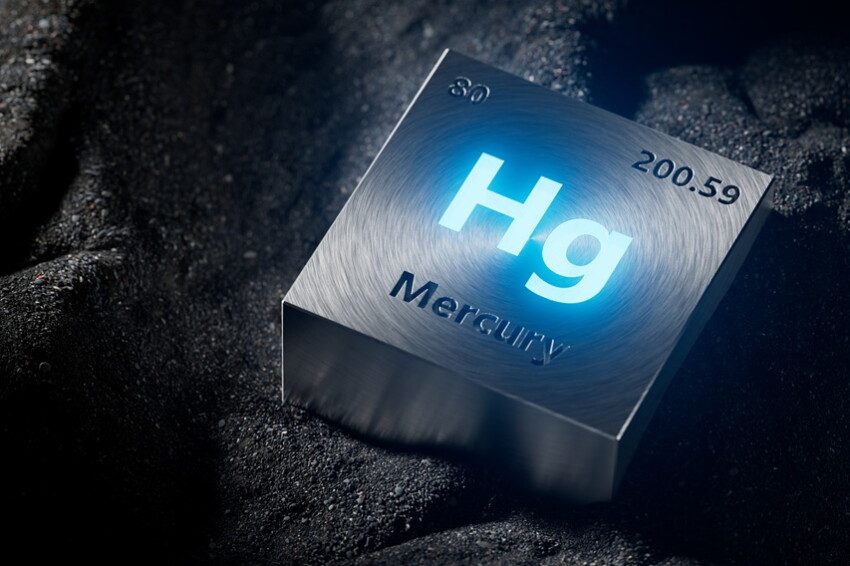
A laboratory research study evaluates several different chemical injection concepts for the removal of elemental mercury from multiphase flow.

Experts and industry leaders gathered in The Woodlands, Texas, recently to sift through the challenges of carbon capture, utilization, and storage. The puzzle is coming together, but some critical pieces are still needed before the results look like the picture on the box.

This article from the SPE Sustainable Development Technical Section (SDTS) explores how the next phase of methane performance will be defined less by pledges and more by measurement, response, and verifiable results.
-
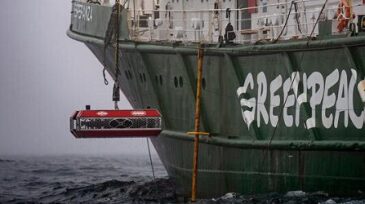
 Using an underwater remotely operated vehicle, activists on board the Greenpeace ship Esperanza documented a large methane leak in the North Sea caused by a major blowout during an oil drilling operation 30 years ago.
 -
The area has a potential for up to 11.8 million bbl of recoverable oil reserves. The program aims to keep oil flowing in the Trans-Alaska Pipeline System, which has seen dwindling throughput since 1988.
-
The 10,000 mirrors arrayed around the Crescent Dunes Solar Energy plant are striking and seem to suggest the concept is on a path to efficient and reliable renewable energy. But, recently, the plant’s operator threw in the towel and filed for Chapter 11 bankruptcy protection. So, what went wrong?
-
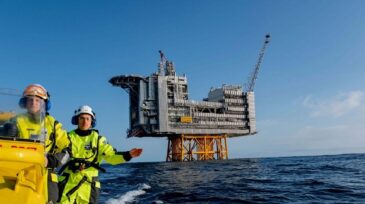
Intertek announced the first certification awarded under its new CarbonClear independent upstream carbon intensity certification program. The certification was awarded to Lundin Energy for its Edvard Grieg field in the central North Sea.
-
The complete paper describes the development of, and summarizes the major changes and additions to, the Environmental Management in the Oil and Gas Industry guide.
-
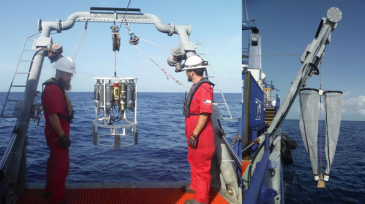
The EPSO surveys were completed offshore Mexico for Total and Cairn in compliance with requirements of Mexico’s National Agency for Safety, Energy, and Environment.
-
Intertek’s program aims to provide validation of the carbon impact of producing 1 BOE across an entire production portfolio, in aggregate, or by field.
-
The original technology selected in 2015 and 2016 for Rio Grande LNG has since evolved. With five trains instead of six, Rio Grande LNG will still produce 27 mtpa.
-
Energy Transfer pursued the stay and expedited appeal after its emergency request for a stay was denied by the US District Court for the District of Columbia.
-
Oil drilling produces up to 10 gallons of water for every barrel of oil. While the Environmental Protection Agency has balked at allowing oil companies to treat drilling waste water and discharge it into streams, oil-rich states, including Texas, are moving forward with plans to permit it.