Environment
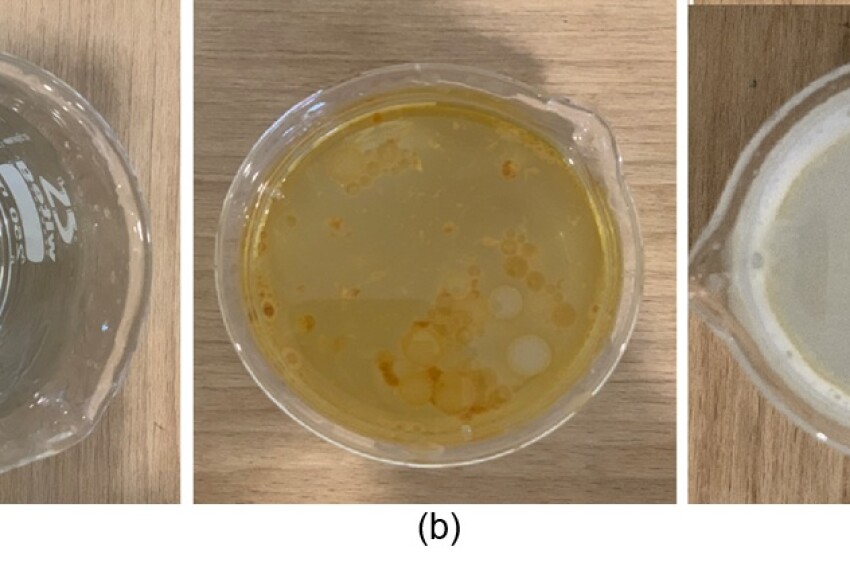
This study presents the development of a biodegradable surfactant developed using principles of environmentally friendly chemistry from natural sources. The goal is to develop an effective and environmentally friendly surfactant that can emulsify and disperse oil to reduce its effects on marine environments.

This study ascertains the capital expenditure and operating expenditure associated with the reuse of existing facilities, specifically regarding a carbon capture and storage project being prepared in South Korea.

GeoMap Europe is the latest in a series of interactive global geothermal maps that combine large subsurface and surface data sets to highlight where geothermal resources and development opportunities are strongest for power, heat, cooling, and storage.
-
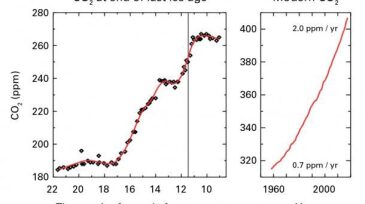
 Concentrations of carbon dioxide in the atmosphere surged at a record-breaking speed in 2016 to the highest level in 800,000 years, according to the World Meteorological Organization's Greenhouse Gas Bulletin. The abrupt changes in the atmosphere witnessed in the past 70 years are without precedent.
 -
The Oil and Gas Climate Initiative (OGCI) announced on 27 October its first three investments, moving forward the organization’s commitments into concrete action to spur the growth of promising low-carbon technologies.
-
Some companies transporting certain petroleum-based products in British Columbia will have to comply with new spill preparedness and response requirements, after amendments made to the Environmental Management Act (EMA) came into force on 30 October.
-
The Canadian Environmental Assessment Agency has allocated $206,880 in federal funds to 11 recipients to assist their participation in the environmental assessment of the proposed Nexen Energy Flemish Pass Exploration Drilling Project.
-
ExxonMobil announced that it is partnering with two Singapore universities to open a Singapore Energy Center in 2019 to focus on new discoveries and significant improvements to technologies that could enhance energy efficiency and other efforts to mitigate the risks of climate change.
-
A task force from The Academy of Medicine, Engineering, and Science of Texas has released a comprehensive analysis of the effects the North American shale boom has had on the environment and communities in Texas.
-
In recent years there has been a spike of research to determine what the extent of emissions are from fracked oil and gas wells. While much discussion has surrounded methane emissions, a greenhouse gas, less attention has been paid to air toxics.
-
One of the world’s biggest oil companies is working on hundreds of low-carbon energy projects, from algae engineered to bloom into biofuels and cells that turn emissions into electricity.
-
Norway has an ambitious plan to take carbon capture and storage offshore to a level that could potentially see the country becoming a store for other’s emissions.
-
ExxonMobil announced an enhanced program to reduce methane emissions from its production and midstream facilities across the US. The program includes a commitment to switch out more than 1,000 high-bleed pneumatic devices over 3 years.