Environment

A laboratory research study evaluates several different chemical injection concepts for the removal of elemental mercury from multiphase flow.

Experts and industry leaders gathered in The Woodlands, Texas, recently to sift through the challenges of carbon capture, utilization, and storage. The puzzle is coming together, but some critical pieces are still needed before the results look like the picture on the box.

This article from the SPE Sustainable Development Technical Section (SDTS) explores how the next phase of methane performance will be defined less by pledges and more by measurement, response, and verifiable results.
-
A new treaty governing biodiversity and the use of nearly 50% of the world’s oceans is inching closer to realization.
-
 Milestone Environmental Services has announced the ground breaking for its new oilfield waste-disposal facility south of Midland, Texas.
 -
The US Bureau of Ocean Energy Management (BOEM) has issued a final environmental impact statement (PEIS) for proposed geological and geophysical surveys of the Gulf of Mexico regarding possible oil and gas development.
-
North Carolina Gov. Roy Cooper said on 20 July that his administration will oppose the Trump administration’s efforts to open Atlantic Ocean waters to offshore oil and gas drilling.
-
Your chopped-off locks could help clean up oil spills in oceans, according to scientists who suggest that human hair waste from salons may be a valuable asset to remediate maritime disasters.
-
The White House’s Office of Management and Budget detailed when and how agencies plan to repeal numerous Obama administration rules regarding air and water pollution, fossil fuel extraction, and more.
-
As interest in unconventional resources has grown in Europe, so have concerns about the potential environmental impacts of their development.
-
A federal appeals court is letting the Trump administration put on hold an Environmental Protection Agency methane pollution rule for oil and natural gas drilling.
-
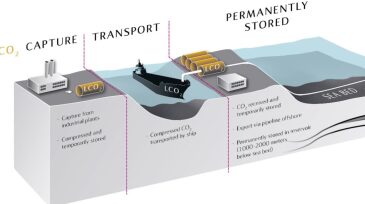
Gassnova has assigned Statoil to evaluate the development of carbon storage on the Norwegian continental shelf. This will be the first storage site in the world receiving carbon dioxide from several industrial sources.
-
In the 4 months since he took office as the Environmental Protection Agency’s administrator, Scott Pruitt has moved to undo, delay, or otherwise block more than 30 environmental rules.