Environment

TotalEnergies signed off for 30% operated stakes in the Lang Lebah and B14 gas fields offshore Sarawak on the sidelines of ADIPEC in Abu Dhabi, while also highlighting methane-reduction partnerships in Angola, India, and Southeast Asia.

DNV notes that energy and industrial process-related carbon emissions will have dropped by 2050 by only 44% from today’s level, not even halfway to the net-zero pledge envisioned by the Paris climate agreement.

The Absheron gas field expansion will supply additional natural gas to Azerbaijan’s domestic market and support its export commitments to Turkey, allowing Baku to stay focused on meeting its gas export obligations to Europe.
-
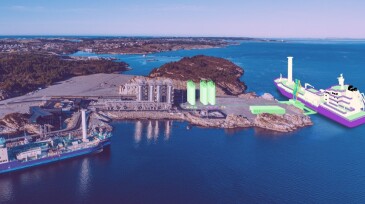
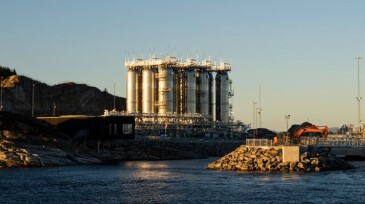
 The Norwegian Ministry of Energy has approved the Phase 2 expansion, which is expected to increase carbon dioxide storage capacity from 1.5 million tonnes to 5 million tonnes.
-
DNV’s carbon capture and storage outlook forecasts a massive shortfall in the projects necessary to help the world reach net-zero emissions by 2050.
-
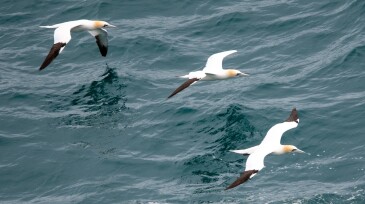
Buoy-based camera footage, analyzed by artificial intelligence, can help reduce the risk of birds colliding with offshore wind farm turbines.
-
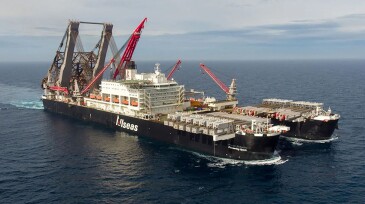
The Dutch marine contractor says it plans to outfit its construction vessels with small modular reactors over 5 years.
-
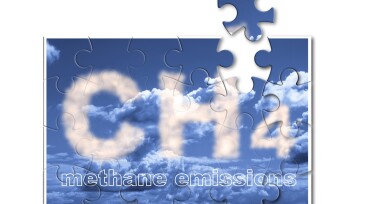
The urgency of methane emissions reduction in the oil and gas sector demands a strategic approach to change management. Success hinges on fostering a shift in industry mindset, where emissions reduction is embedded into operational design and decision-making rather than seen as a regulatory burden.
-
A revised biological opinion determined that the endangered species could go extinct without new precautionary measures.
-
The two companies said they will evaluate the possibility of a joint venture to develop a direct air capture hub in South Texas, with XRG considering investing up to $500 million.
-
Across Texas, abandoned wells are erupting with chemical-infused liquid and some have created massive lakes of contaminated water. Regulators say they need more money to address the problem.
-
The company has transformed its former Genesis platform into an artificial reef for marine life off the coast of Louisiana.
-
The storage permits, the first of their kind, allow the Stratos facility to move forward with plans to capture and store up to 500,000 tonnes of carbon dioxide per year.