Field/project development

With $9.6 billion in assets in the market, the focus is shifting from who is exiting Southeast Asia to who is positioning for entry through acquisition, according to Rystad Energy.

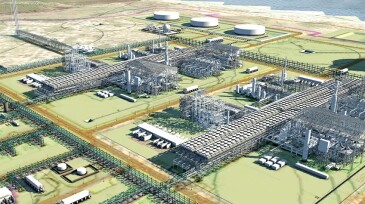
Shell has reached FID on LNG Canada Phase 2, a major expansion that will double the Kitimat facility’s LNG export capacity to 28 mtpa and strengthen long-term supply to growing Asian markets.

This paper presents an approach for safe, efficient, and cost-effective legacy well reabandonment.
-
 As LNG projects sanctioned earlier this decade come onstream, a shortage of new final and pre-final investment decisions threatens to leave the project pipelines dry at a time when global LNG demand is forecast to surge over the next 15 years.
 -
The first of four planned Phase 1 wells is flowing from the region’s second 20k-psi deepwater project.
-
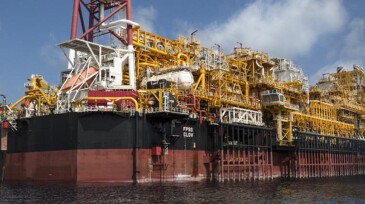
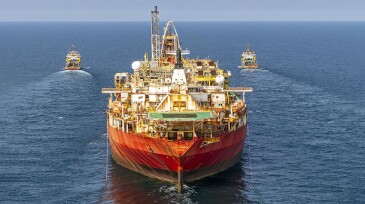
The Begonia and CLOV Phase 3 subsea tiebacks are each sending production to nearby FPSOs.
-
The China National Offshore Oil Corporation said it plans to use water injection, steam huff ’n’ puff, and steamflooding to produce the heavy oil field, with peak production expected in 2026.
-
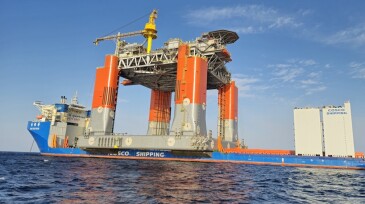
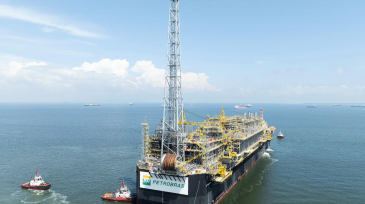
The new vessel, P-78, will be deployed on the Buzios field in the Santos Basin offshore Brazil.
-
As Africa’s top oil producer, Libya is ramping up momentum—offering 22 exploration areas and welcoming BP back to Tripoli with a major deal.
-
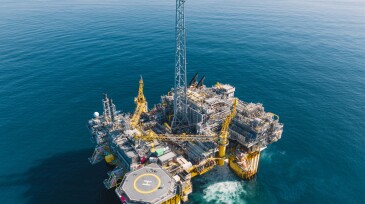
Electricity produced onshore powers oil production at Johan Sverdrup holding CO₂ emissions at only 5% of the global average.
-
Shell became the first international company to operate producing fields offshore Brazil and the first to navigate the country’s complex and detailed decommissioning permitting process, which involved extensive environmental assessments, regulatory approvals, and coordinated stakeholder engagement.
-
North Sea tieback to the Troll C platform could begin production by the end of 2029.
-
The LNG specialist also greenlit a debottlenecking project to free up additional volumes at the Corpus Christi site.