Field/project development

Five agreements target more than 11 Tcf of offshore gas and include flare-reduction technology.
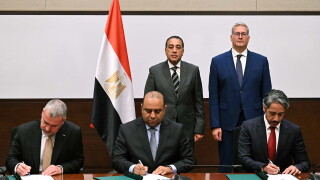
ExxonMobil and QatarEnergy’s MoU with Cairo to monetize Cyprus’ offshore Glaucus and Pegasus natural gas supports Egypt’s strategy to become the Eastern Mediterranean’s leading gas processing and LNG export hub.

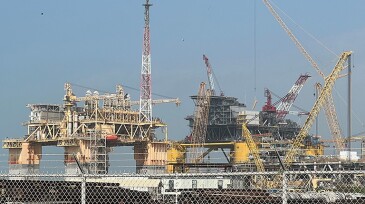
Thanks to stepout-well and tieback technologies, Shell’s Mars platform is the first single offshore platform in the US Gulf to produce 1 billion bbl of crude over its lifetime with production expected to continue into the 2040s.
-
 The subsea partners secured a contract for the Cypre gas project offshore Trinidad and Tobago.
 -
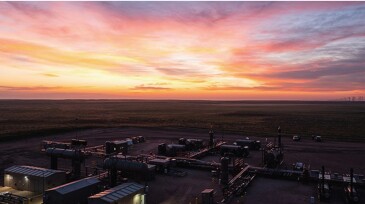
Seven facilities design and public engagement principles are identified as key elements for the future oil and natural gas production facilities for the DJ Basin, and maybe even as a guide for other North American onshore shale basins.
-
The Norwegian operator cites inflation and uncertainty surrounding supplier markets as factors in the decision.
-
Methods inspired by artificial intelligence and software development help generate more ideas that add more value.
-
Contractor will conduct FEED work on ExxonMobil’s Uaru development, which is expected to lead to construction and installation work.
-
In this second part of a two-part series on advances in artificial lift, we’ll look at the state of optimization and a trio of techniques and technologies under development or new to the market. Look for quarterly reviews of specific types of lift in upcoming issues in the new year.
-
US GOM players have come out of the pandemic slowdown with new perspectives on spending and cycle times and are targeting finds that can utilize existing hardware instead of those that require new iron.
-
A leaner and wiser Weatherford seeks new Middle East contracts while growing margins and market share on existing business.
-
ADNOC is hiring more jackup drilling rigs to boost offshore production of its more carbon-friendly brand of crude.
-
Ben van Beurden said quitting was impossible because the Netherlands was dependent on Groningen gas.