Field/project development

Assets consolidated into the Searah JV include Eni-operated deepwater gas-condensate developments in the Kutei Basin, offshore East Kalimantan, Indonesia.

Five agreements target more than 11 Tcf of offshore gas and include flare-reduction technology.
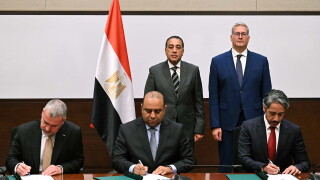
ExxonMobil and QatarEnergy’s MoU with Cairo to monetize Cyprus’ offshore Glaucus and Pegasus natural gas supports Egypt’s strategy to become the Eastern Mediterranean’s leading gas processing and LNG export hub.
-
 The contractor was tapped by Chevron Australia and Aker Solutions to provide power from shore to the Jansz-Io field offshore Australia.
 -
Service company was previously awarded a similar scope of work related to Shell's Vito project in the US Gulf.
-
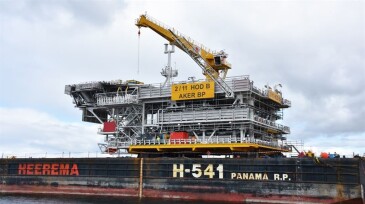
The facility is the second delivered under Aker BP’s platform alliance designed to use a more integrated project delivery model.
-
Brazil has plans to create a competitive gas market. Equinor is operating two big projects that could offer a model for how a company not named Petrobras could market gas produced offshore.
-
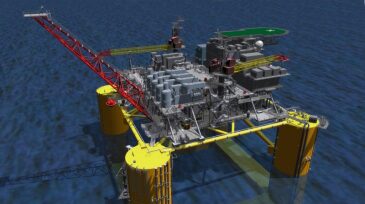
US Gulf project will use a similar floating solution to the operator’s Vito project due onstream next year.
-
Chevron is having to drill a fifth production well at Israel’s Leviathan natural gas and gas-condensate field to keep production ahead of rising demand, driven by exports to Egypt’s growing LNG hub.
-
The Zama field was once considered the ideal result of Mexico's energy reforms that sought to bolster the country's oil and gas output by inviting private companies to participate in the energy sector.
-
The Gorgon gas project will consist of a new floating field-control station and subsea compression infrastructure.
-
The contractor will supply over 300 km of flexible pipe between four field developments offshore Brazil.
-
The North Sea project is set to include 23 subsea, oil-producing wells tied into four subsea templates to tap an estimated 200 million bbl of oil.