Flow assurance

This paper details the importance and value derived from a real-time process-twin model for one of the world’s largest operating carbon dioxide sequestration projects.

This paper presents a comprehensive analysis of autonomous scale-management strategies implemented in the Buzios Field that eliminate the need for a well-service stimulation vessel by using existing facilities onboard the well rig.

This study demonstrates the transformative potential of physics-informed neural networks as a hybrid framework for multiphase flow measurement.
-
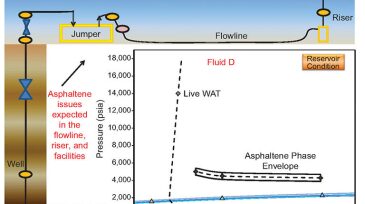
 This paper presents an integrated approach to evaluate the key elements of asphaltene risk for deepwater projects, the strategy to manage the issues during production implementation, and aspects to be considered in the mitigation of asphaltene in the field-development plan.
-
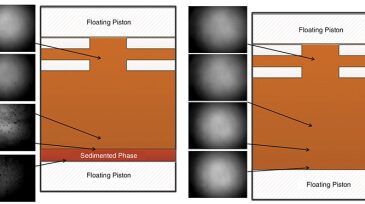
This paper presents a methodology that begins by determining the ADE in the laboratory. Moreover, asphaltene-deposition rates for the tubing conditions can be measured using high-pressure/high-temperature coaxial-cylinder technology.
-
Sensor systems for pipeline inspections from Ingu and Rheidiant are among the initial selections to receive funding under Chevron’s CTV Catalyst Program.
-
The expanded research and testing capabilities offer the only vertical test rig for subsea safety valves and one of the largest high-pressure natural gas test facilities in the world.
-
A new complex at Southwest Research Institute will support fluid dynamics research and the development testing of flow components.
-
As operators rely on longer subsea tiebacks, an upward trend in the number of plugs caused by paraffins and hydrates has been seen. New prevention and remediation methods are discussed to help solve these challenges.
-
A test method is being developed to screen paraffin chemistries in the presence of brine, closer resembling dynamic field conditions.
-
A BP flow assurance engineer discusses the shift in hydrate management strategy from complete avoidance to risk mitigation for an offshore dry tree facility.
-
The complete paper evaluates optimization techniques to develop, or support, business cases for intelligent or smart wells.
-
At the 2017 SPE Oilfield Chemistry Conference, an assistant professor from Heriot-Watt University discusses the optimization of squeeze treatments delivered by diving support vessels.