Flow assurance
Flow measurement touches almost every phase of oil and gas operations. Yet the industry still struggles to distinguish between what is directly measured, what is inferred, and what is estimated through models, correlations, or assumptions. That distinction matters. A measurement does not need to be perfect to be useful, but it must be fit for purpose.

This paper presents an engineering solution tailored for shallow-water oilfield development in Bohai Bay, addressing the confluence of spatial constraints, marginal economics, and environmental conditions that have rendered such reserves stranded.

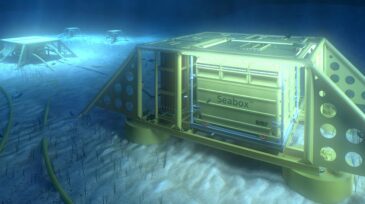
This paper details the design and implementation of a subsea multiphase pump solution deployed in the Atlanta field designed to maximize reuse of existing subsea and topside equipment.
-
 SponsoredParaffins present in crude oil can gel or precipitate, which can cause pipeline and production system blockages. Dow’s ACCENT wax inhibitors are high-active, aqueous-based chemistry, that efficiently control paraffin deposition in pipelines.
 -
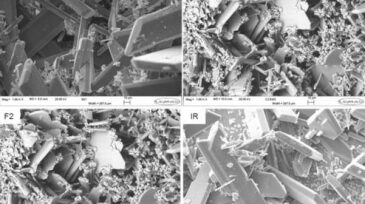
The chemical reactions creating buildups of scale that can clog a well can be replicated in a chemical lab, but researchers are finding many more variables on the surfaces of pipes that need to be considered.
-
Operators are looking for ways to better handle water coming from subsea wells, which is typically treated at topside facilities. Subsea separation systems are not equipped to discharge water back into the reservoir, so how do companies close the gaps?
-
High-fidelity 3D engineering simulations are valuable in making decisions, but they can be cost-prohibitive and require significant amounts of time to execute. The integration of deep-learning neural networks with computational fluid dynamics may help accelerate the simulation process.
-
SponsoredFlow assurance provides value throughout the entire oil and gas production value chain. Ensuring an uninterrupted flow of hydrocarbon fluids from the reservoir to delivery is key for your operation and profitability.
-
Offshore production assurance continues to drive new production technology applications and approaches. The three papers highlighted here focus on developing analytical tools and performing root-cause analyses while providing safe, cost-effective, and reliable operations.
-
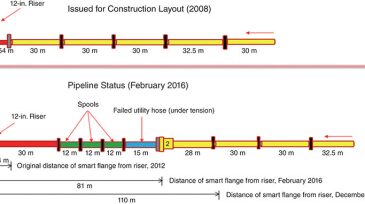
This paper evaluates potential causes of failure for nine pipelines operating in shallow waters (8 to 14 m) in the Gulf of Guinea. The authors develop an analytical method to identify root causes and provide recommendations for pipeline design and placement.
-
Erosion caused by fine solid particles presents one of the greatest threats to oil and gas flow assurance, consequently affecting material selection and wall-thickness design.
-
Comprehension of the mechanisms that influence wax deposition in oil-production systems has not yet been achieved fully. This paper investigates the influence of the Reynolds number on wax deposition.
-
Current logistics and pipeline-infrastructure limitations make transportation and production of waxy crude oil challenging, necessitating a step change in the chemistry required to mitigate crude-oil-composition issues.