Fracturing/pressure pumping

This case study from ARC Resources and DarkVision outlines the use of acoustic imaging tools in two active fracturing programs in Canada to monitor well casing deformation.

The creation of SPE’s Acid Stimulation Technical Section shines a light on the technique that improves injectivity and productivity. JPT talked with the chair of the new section about the importance of the technical area.

Fracture modeling continues to be used to evaluate and design novel applications, and integration with diagnostics and other forms of field-data collection are crucial to success.
-
 This article explores what is known and not known about the environmental risks of hydraulic fracturing with the intent of fostering informed discussions within the geoscience community on the topic of hydraulic fracturing.
-
The pressure pumping giant turns to algorithms to get better fractures and fewer problems.
-
Operators are working with a young startup company to overhaul how the unconventional sector has traditionally interpreted one the most common tests used to influence well completion designs.
-
Hydraulic fracturing is now a little bit easier for US shale operators thanks to readily available horsepower and in-basin sand.
-
Well-interference issues can be hard to diagnose, but this startup may be figuring that out. The data-driven process it developed can also help operators come up with more effective ways to use diverters.
-
The rise of cube developments in the Permian Basin has introduced a new way of thinking for some of the region’s biggest players.
-
As operators seek lower water management costs, a pair of studies examines methods and technologies that could have a major impact on treatment and reuse for hydraulic fracturing operations and beyond.
-
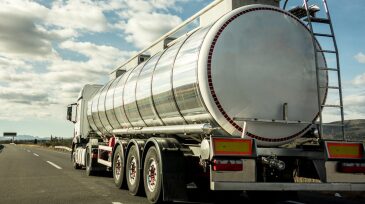
Researchers at Texas Tech University have released a study into wastewater production and disposal in the Marcellus Shale, proposing disposal hubs across the state of Pennsylvania that could reduce trucking distances.
-
To better protect workers exposed to respirable crystalline silica, OSHA has issued two new standards: one for construction and another for general industry and maritime. OSHA will begin enforcing most provisions of the standard for general industry and maritime on 23 June.
-
A new report on shale gas from UNCTAD addresses the balance between providing affordable energy to developing countries and the agency’s climate change goals.