Fracturing/pressure pumping

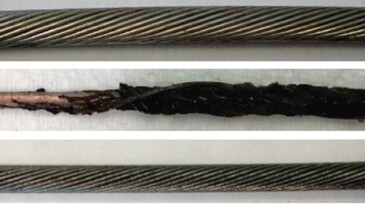
This case study from ARC Resources and DarkVision outlines the use of acoustic imaging tools in two active fracturing programs in Canada to monitor well casing deformation.

The creation of SPE’s Acid Stimulation Technical Section shines a light on the technique that improves injectivity and productivity. JPT talked with the chair of the new section about the importance of the technical area.

Fracture modeling continues to be used to evaluate and design novel applications, and integration with diagnostics and other forms of field-data collection are crucial to success.
-
 Another day, another deal for ProFrac.
-
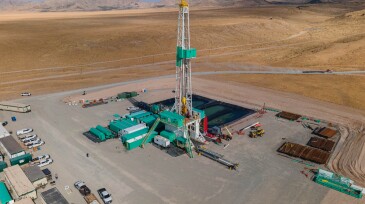
Hitting the next well during fracturing happens all the time. Predictably doing that on a large scale in granite looks a lot harder.
-
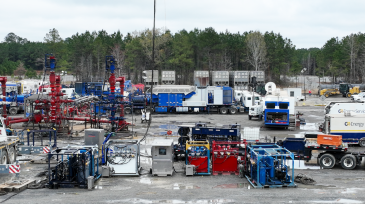
New automated technology is making it possible to run pressure pumps for days on end.
-
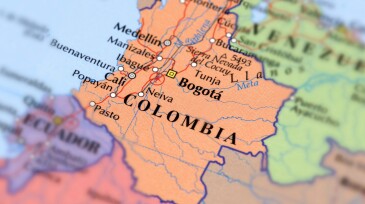
The latest ruling reverses a lower court decision to block the Ecopetrol and ExxonMobil programs in the Andean nation.
-
This paper explores a holistic approach to characterize trouble stages by applying automated event recognition of abnormal pressure increases and associating those events with formation and operational causes.
-
In this paper, the authors discuss what components have contributed to recent proppant-placement cost reductions and use several case studies to illustrate the potential for further cost reductions.
-
This paper presents a new real-time method to estimate stage-to-stage interference and well-to-well interference and their implications on completions efficiency.
-
Oil companies would have to pay a premium for the hardware and services needed for rapid expansion. But is that likely?
-
Liberty will be integrating Seismos’ measurements-while-fracturing system into its completions service to analyze near-wellbore fracture networks and create a near-field connectivity index.
-
This paper presents an optimization project that was implemented in the Khazzan and Ghazeer fields of Oman to optimize the post-fracturing cleanup and testing period to reduce hydrocarbon flaring and CO2 emissions as well as the testing cost without compromising the overall well cleanup and testing objectives.