Fracturing/pressure pumping
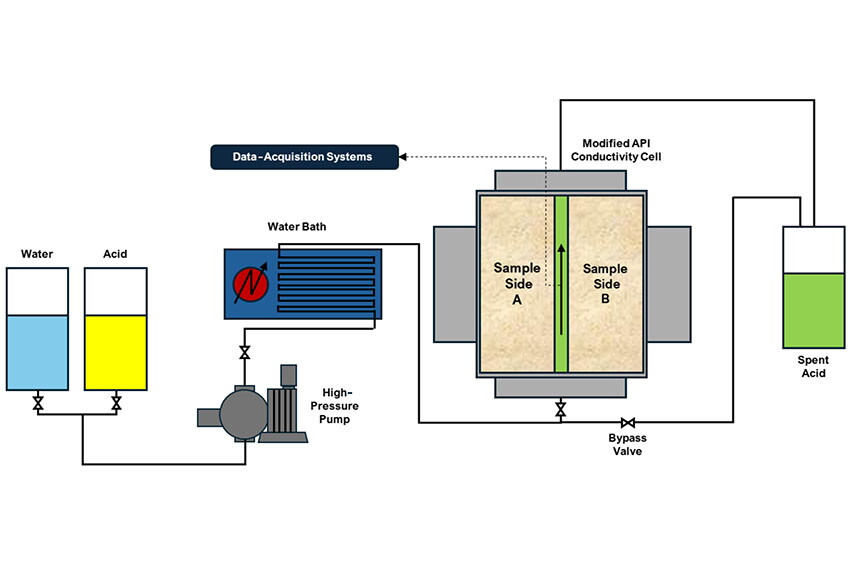
This paper presents findings reinforcing the argument that acid fracturing is a strong alternative stimulation method to improve productivity in the Austin Chalk formation.
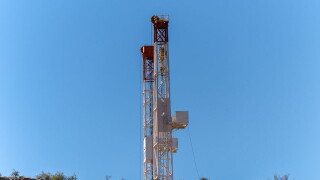
Output is rising fast in the South American shale play and putting Argentina on a course to soon reach 1 million B/D.
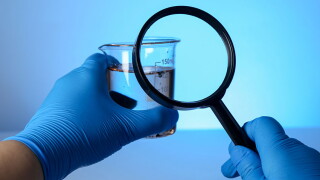
This case study presents a procedure in which the operator compared production from wells with adjusted wettability to a control group, finding that the adjustments resulted in significant improvements in production and reductions in produced water.
-
 There is increasing interest in drilling the Austin Chalk formation, with hopes that the latest unconventional development methods can deliver a boom in a play that has seen several over a 90-year history.
 -
As oil prices recover from the low point of the downturn, operators in the Permian and the Bakken are tackling water management issues.
-
This study aims to investigate the efficacy and feasibility of cryogenic-fracturing technology in enhancing the permeability of unconventional-reservoir-rock analogs.
-
Increasing lateral lengths, stage counts, and proppant intensity levels are contributing to a bullish outlook on frac sand demand.
-
Development of a new polymer composite that degrades via hydrolysis in hot water or brine holds potential for use in structural applications for intervention-less downhole tools.
-
Shale explorers in Argentina are reporting that improving performance and activity is set to rise this year to boost the country’s gas production.
-
OriginClear agreed to a sales licensing deal for use of its Electro Water Separation technology at a Sinopec-operated shale gas site.
-
An advisor at Schlumberger discusses the company’s work in examining the effect of perforations on hydraulic fracture initiation.
-
Optimizing laterals by integrating data from many sources to address reservoir variability and structural challenges can increase shale well productivity.
-
This paper analyzes water production from horizontal shale wells in five sections of the Wattenberg field in northeastern Colorado. Models were developed for these wells for future water-production prediction and a spatial analysis was also conducted.