Geothermal energy

Winners of Alberta's Drilling Technology Challenge cover a range of technologies from robotics to enhance drilling rig safety to AI-enabled energy management, downhole sensing, well navigation, hybrid power systems, and geothermal energy.

The company’s millimeter wave drilling system is approaching a depth of 1 km at its Central Texas site. The recent funding is earmarked for Project Obsidian in Central Oregon, which Quaise calls the world’s first commercial superhot geothermal power plant.

This guest editorial addresses the need for high-temperature directional drilling technologies as the number of rigs used to develop next-generation geothermal wells is set to rise in the coming years.
-
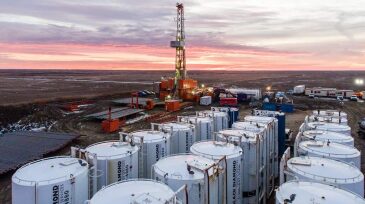
 A Canadian company reports that it has drilled and completed a historic horizontal well in Saskatchewan.
 -
Extending and transferring the high-temperature capabilities of existing E&P technologies could make geothermal energy development possible—and scalable—anywhere in the world.
-
The new geothermal project development company will offer expertise in subsurface and drilling, project development, and risk mitigation.
-
Researchers at OU have received $2.5 million of US Department of Energy funding for a three-phase study to develop technologies to increase power production from geothermal wells. The geothermal development research site in Southern California sits on the US Navy’s largest single landholding.
-
Nearly 90% of geothermal capacity built since 2000 is binary cycle.
-
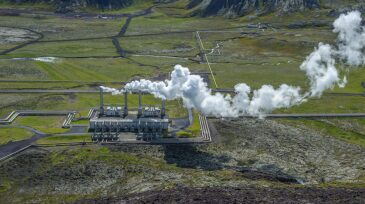
Oil and gas are not the only things in the ground that can power our lives. Heat in the form of geothermal energy is rapidly taking its place alongside other sources of renewable energy, buoyed by the lessons learned from decades of drilling for oil.
-
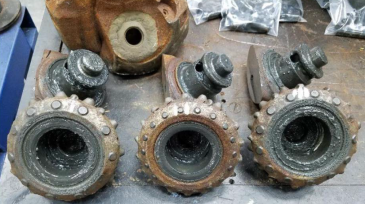
Geothermal power offers enormous potential—an inexhaustible supply heat to drive huge electric plants around the clock—but that extreme heat can quickly kill conventional hardware, which led to something new.
-
A Canadian research organization believes the country’s oilfield technology could help another energy sector drive down its costs and it may work out for heavy oil producers too.