Health

This paper examines how real-time monitoring can improve both incident prevention and emergency response in the oil and gas industry. Drawing from real-world examples and case studies, it provides practical strategies for implementing this technology effectively.
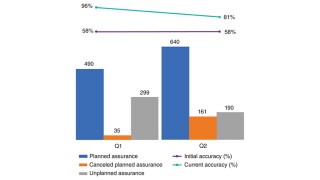
This paper describes a tool that complements predictive analytics by evaluating top health, safety, and environment risks and recommends risk-management-based assurance intervention.
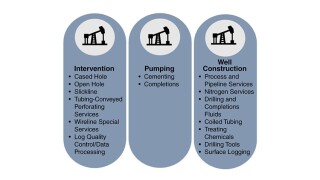
This paper describes a risk-based self-verification process conducted through a bespoke software application.
-
 Colorado has released a long-awaited 380-page report on the health effects of oil and gas operations in the state. The science is complicated, though, as are the unfolding responses from state regulators and oil and gas companies.
 -
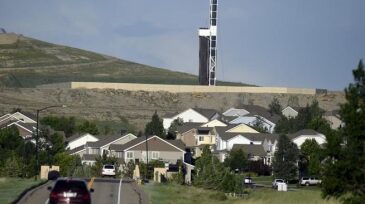
Colorado officials declared they will toughen their oversight of oil and gas drilling and hydraulic fracturing sites following the release of a multiyear scientific study that found industry operations may expose residents to unhealthy levels of benzene and other chemicals.
-
Despite a natural gas boom and health concerns over drilling from environmentalists, the state Department of Health has received just 160 complaints related to drilling over the last decade.
-
Critics say an ethane expansion not only will prolong hydraulic fracturing but also could also trigger a public health disaster as political polarization over the climate surges under Trump.
-
A new documentary exploring men’s mental health in the oil industry takes a look at the toll that long hours and isolation can have on workers.
-
Hearing loss is prevalent in workers in the mining and oil and gas extraction sectors. Approximately 61% of workers in mining and oil and gas extraction have been exposed to hazardous noise levels on the job, according to a study published in the American Journal of Industrial Medicine.
-
A study published in the American Journal of Industrial Medicine finds that an injury serious enough to lead to at least a week off of work almost triples the combined risk of suicide and overdose death among women and increases the risk by 50% among men.
-
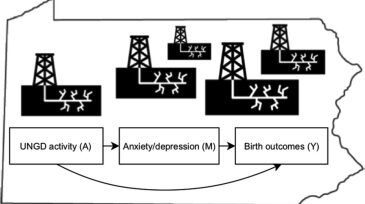
A new retrospective cohort study has associated hydraulic fracturing sites with antenatal mental health issues such as anxiety and depression.
-
This study incorporates previous learnings, as well as globally collected data, to develop a strategy that can be used to help implement an industry-specific mental health program.
-
“The Ohio Health Registry is really an attempt to collect the contacts of people who live close enough to any aspect of shale development that they might be affected,” said Deborah Cowden, a family physician who started the effort.