Health

This paper examines how real-time monitoring can improve both incident prevention and emergency response in the oil and gas industry. Drawing from real-world examples and case studies, it provides practical strategies for implementing this technology effectively.
This paper describes a risk-based self-verification process conducted through a bespoke software application.
This paper discusses and demonstrates the limitations of quantitative risk assessment (QRA) with respect to the usefulness of the concept in managing day-to-day and emerging risks as well as the effect of change.
-
 Researchers have discovered that genes regulating important biological processes are incapable of adapting to new sleeping and eating patterns and that most of them stay tuned to their daytime biological clock rhythms.
 -
When inactivity is largely the result of months and eventually years spent at a desk job or in meetings, could an employer face liability for any serious medical issues that ensue? A recent study from Philadelphia’s Drexel University concluded that—at least for US workplaces—the answer might be yes.
-
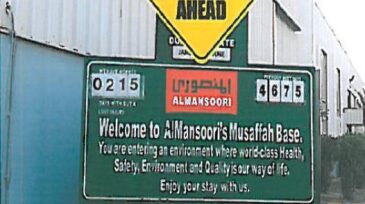
UAE company AlMansoori has implemented Happiness as a key business theme.
-
Association of Changes in Work Shifts and Shift Intensity With Change in Fatigue and Disturbed SleepThe aim of this study was to examine whether changes in work shifts and shift intensity are related to changes in difficulties falling asleep, fatigue, and sleep length.
-
Millions of workers are exposed to noise in the workplace every day and, when uncontrolled, noise exposure may cause permanent hearing loss. Research demonstrates exposure to certain chemicals, called ototoxicants, may cause hearing loss or balance problems, regardless of noise exposure.
-
Starving employees are growing too weak for heavy labor, hobbling the refineries that keep the economy running.
-
A recent study found that female mice exposed during prenatal development to chemicals used in unconventional oil and gas operations had abnormal mammary glands in adulthood.
-
The objective of these studies was to determine whether occupational exposure to gasoline engine emissions (GEE) increased the risk of lung cancer and, more specifically, whether leaded or unleaded GEE increased the risk.
-
The Oklahoma Supreme Court on 23 January unanimously ruled that oil and natural gas companies can be sued when a worker is killed or injured on the job.
-
A professor who the EPA charged with reviewing its 2016 study on hydraulic fracturing’s possible drinking water impacts shared her observations on the flawed process that led to the agency’s final conclusion.