Health

With millions of wells having been drilled in the US since the beginning of the oil age, the land is pocked with old, unused wellbores. For most, repurposing is a pipe dream. Plugging is the best option.

This paper explores how artificial intelligence (AI), cognitive models, and integrated digital tools can transform readiness from periodic drills into a continuous, measurable capability.

This paper presents a competency-centered, data-driven approach implemented to strengthen control-room emergency-response capability through a cloud-hosted, scenario-based virtual plant simulator.
-
 Businesses increasingly conduct operations in remote areas where medical evacuation (medevac) carries more risk. Royal Dutch Shell developed a remote healthcare strategy whereby enhanced remote healthcare is made available to the patient through use of telemedicine and telemetry.
 -
Exposure to welding fumes may result in disorders of the pulmonary, cardiovascular, and reproductive systems. Welders are also at a greater risk of developing symptoms similar to those seen in individuals with idiopathic Parkinson’s disease.
-
The goal of this paper was to examine refinery workers’ personal exposure to benzene and 1,3-butadiene and increase awareness of exposure conditions by collaboration with involved refineries.
-
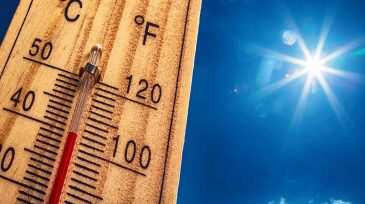
An updated app for smart phones and other mobile devices can help workers stay safe when working outdoors in hot weather.
-
Every organization is bound to fulfill the compliance related to the health and safety of the employees and every individual associated with it. Some industries are at higher risk because of their sensitive production processes that involve risky tasks to be performed by the employees.
-
This paper describes the sociodemographic, occupational, and health characteristics of “green collar” workers, a vital and emerging workforce in energy-efficiency and sustainability.
-
The aim of this study was to examine the relationship between body mass index (BMI) and occupational musculoskeletal injury rates, and the statistical interaction between BMI and occupational exposure to musculoskeletal hazards.
-
Noise is one of the harmful agents to health that is present in the various branches of economic activity. Hearing loss and tinnitus are among the most frequently reported complaints by workers exposed to occupational noise.
-
Exposure to airborne agents needs to be assessed in the personal breathing zone by the use of personal measurement equipment. Specific measurement devices for assessing personal exposure to airborne nanomaterials have only become available in the recent years.
-
A NIOSH hygienist examines emerging chemical exposure risks workers faced during drilling, completions, and servicing operations.