HSE & Sustainability

While Uzbekistan has seen a significant drop in flaring, methane leaks from deteriorating infrastructure continue to reveal themselves to satellites in space.

The department announced it plans to combine the Bureau of Offshore Energy Management and the Bureau of Safety and Environmental Enforcement into the Marine Minerals Administration.

While some idle wells may be brought back into production, many will be plugged and abandoned. This paper considers repurposing certain idle oil and gas wells by using their empty steel casing for the disposal of nuclear waste.
-
 Two of Europe’s largest oil and gas producers will lead four offshore wind projects that together have the potential of powering 2 million homes.
 -
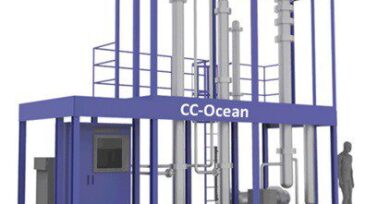
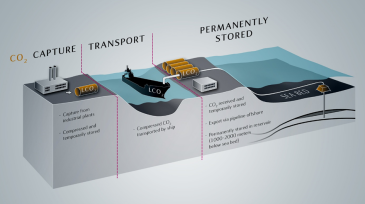
The project aims to identify risks and conduct operability and safety evaluations for the world’s first attempt at capturing carbon dioxide at sea.
-
The brain is adaptive and can change in both physical and functional forms. This phenomenon is called neuroplasticity. Understanding this neuroplasticity can lead to understanding how people can be happier, more engaged, and more productive at work.
-
An analysis of existing wells in the Martin Linge field, conducted by Equinor when it took over as operator from Total, revealed that several did not have sufficient barriers, leading the company to plan new wells to ensure safe operation.
-
The state of New Mexico finalized changes to its produced-water regulations on the oil and gas industry after months of adjustments and debate between state regulators, environmentalists, and oil and gas industry leaders.
-
Tellurian CEO Meg Gentle outlined how the US LNG market should address expected tight market conditions through 2025 while managing a transition to a carbon neutral environment.
-
About 16% of US offshore production in the Gulf of Mexico remains offline after Hurricane Laura caused mass evacuations more than a week ago.
-
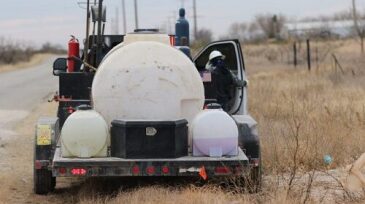
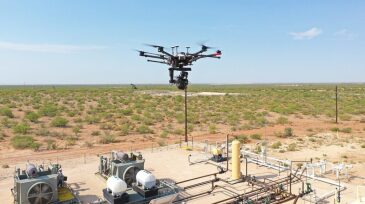
After 2 years of testing, Shell is going all in on using high-flying technology to catch methane leaks to reduce its overall emissions to less than 1%.
-
Winning innovators focused on environment, safety, and operational efficiency.
-
The complete paper examines the decision to use hydrogen-sulfide- (H2S) removal technology, the cost of operation, and the unit’s availability over its lifetime.