HSE & Sustainability

The 2025 report confirms for the second year that the Appalachian Basin has the lowest methane intensity of any major oil and gas basin in the US.

The North Sea Transition Authority has advanced the UK’s plans for carbon storage by approving the drilling of a proposed appraisal well off the coast of Teesside.
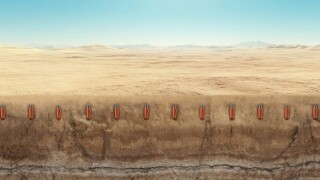
Smart Seismic Solutions plans to use 50,000 nodes to examine storage potential for the Greenstore CCS project.
-
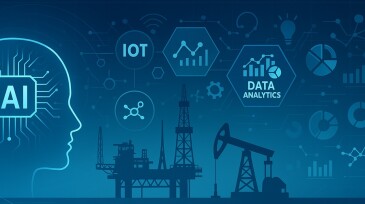
 The full potential of data can only be realized when it is viewed not in isolation but as part of the dynamic triad of hydrocarbons, the data, and the people who interpret it and act on it.
 -
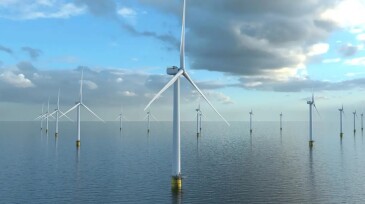
A US government order has stopped building activity aimed at harnessing wind energy offshore New York.
-
Real-time location systems have emerged as invaluable tools for enhancing safety and efficiency in the operations of oil and gas organizations. This paper investigates the various applications of the technology within the industry, highlighting its transformative effect on safety protocols and operational efficiency.
-
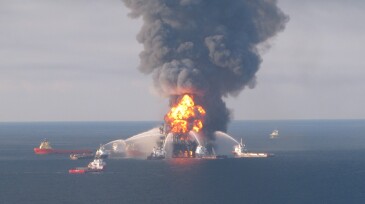
It has been 15 years since an explosion ripped through the Deepwater Horizon, an oil rig operating in the Gulf Coast region, triggering the worst oil spill to occur in US waters and one of the worst environmental disasters in US history. Is the offshore environment safer now than it was in 2010?
-
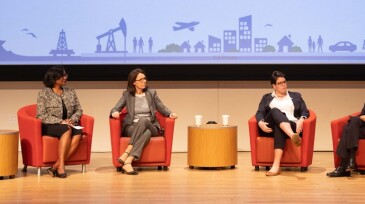
The meeting of leaders, experts, and stakeholders emphasized the urgency of addressing greenhouse-gas emissions to mitigate climate change and align with global sustainability goals.
-
Commercial diver Chris Lemons will speak at this year’s conference for an exclusive keynote recounting one of the most extraordinary survival stories in the history of offshore operations.
-
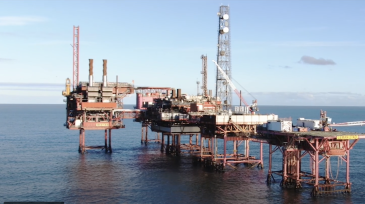
The test marks a milestone in the Poseidon CCS project, which aims to store carbon dioxide in the depleted gas reservoir below the Leman development in the southern North Sea.
-
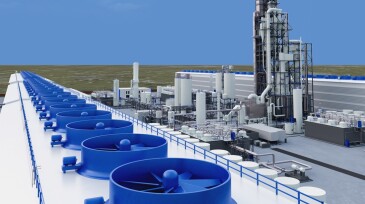
The storage permits, the first of their kind, allow the Stratos facility to move forward with plans to capture and store up to 500,000 tonnes of carbon dioxide per year.
-
This paper shares learnings from building a corporate sustainability culture as an infrastructure for environmental and sustainability programs by identifying enablers and challenges common to oil and gas organizations, which are relatively advanced in their sustainability journey.
-
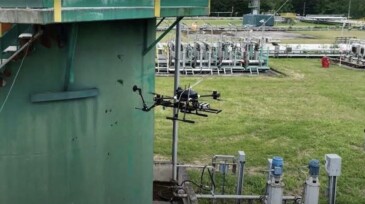
A robotic arm, camera system, and virtual reality helped EniProgetti and University of Naples researchers overcome the major challenges of direct-contact nondestructive testing using a drone.