HSE & Sustainability
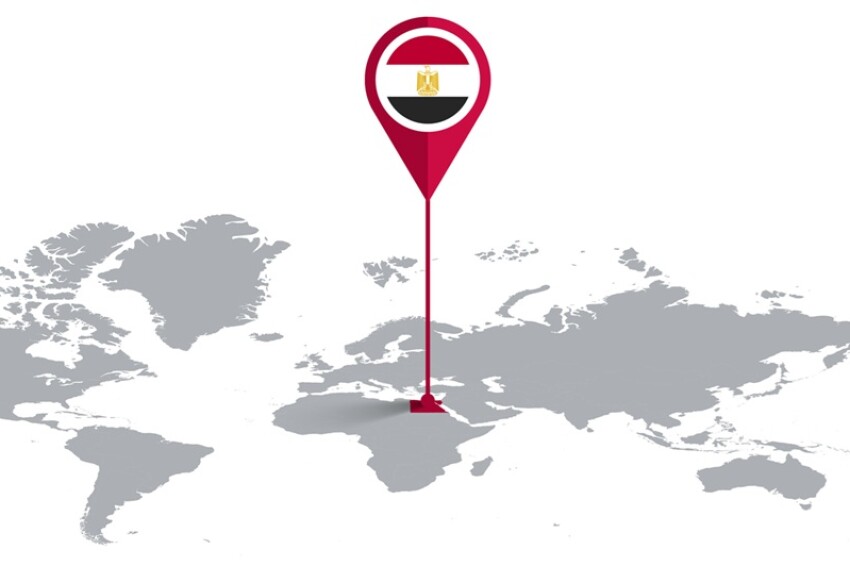
A memorandum of understanding between the companies targets technical services for safety and performance across Egypt’s onshore and offshore assets.

No injuries were reported, and work has been suspended on the North Sea rig while the BOP is recovered.

This article from the SPE Sustainable Development Technical Section (SDTS) explores how the next phase of methane performance will be defined less by pledges and more by measurement, response, and verifiable results.
-
 In June 2016, GHGSat launched the world’s first satellite capable of measuring greenhouse-gas emissions from targeted industrial facilities around the world. This paper describes the system, including sensor and satellite specifications.
 -
Impact and environmental/social/governance investing are reshaping adviser and investor relations. They are fast becoming the business model of the future, with investors exercising a greater degree of diligence on how their investments are bringing wider benefits.
-
Oil and gas performance specialist Salos has teamed up with a human behavior consultancy to reduce health and safety risks in the sector. The Aberdeen-based business has worked closely with HFB Consulting over the past year to create an aviation training plan tailored to the oil and gas industry.
-
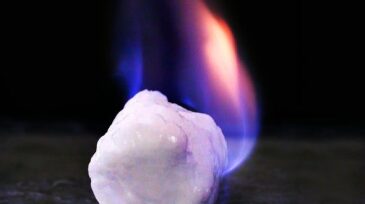
Sending atmospheric carbon dioxide into underground methane hydrates could clean the air and create revenue.
-
The Petroleum Authority of Uganda, together with the Ministry of Health and the Uganda Health Federation, held a one-day conference to discuss health investment opportunities in the oil and the gas sector while highlighting the standards expected.
-
The acquisition will add to the group’s offerings aimed at environmental impact assessments and project approvals.
-
The practice of safety has a definite ethical component. Often, the most ethical actions to take are obvious, such as the choice between a legal action and an illegal one. Other times, there are many considerations that may cloud decision-making.
-
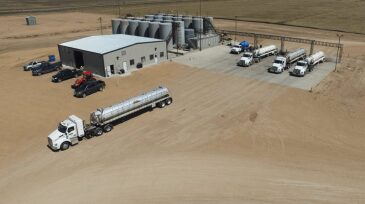
The Permian gets the lion’s share of attention when it comes to produced water, but other basins have a need to haul volumes off-site. How has the market changed in these areas recently? Is there a greater enthusiasm for pipelines, and can water midstream thrive?
-
Recommended Practice 2001, Fire Protection in Refineries, includes important revisions on hazard analysis, new ways to improve the design of refineries to help prevent fires, and new information on managing the potential environmental impact of firefighting foams and marine firefighting.
-
Not all produced water is the same. A seminar held by SPE and associated with the Water Life Cycle and Strategy Technical Section will look at the different types of produced water and the different ways in which produced water is handled in various regions around the world.