HSE & Sustainability
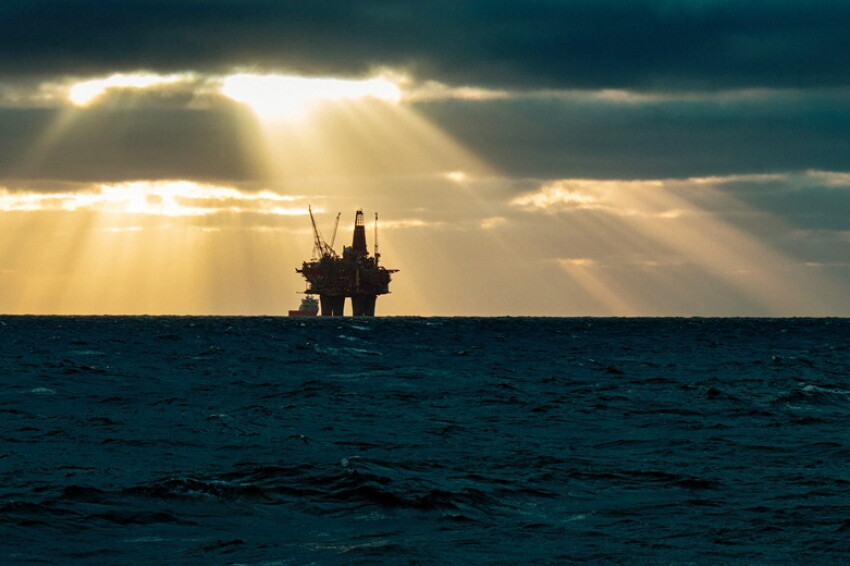
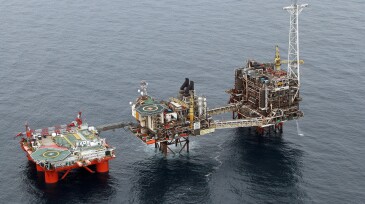
This paper identifies opportunities and risks associated with repurposing an offshore oil and gas platform for green hydrogen production. Various technical scenarios were investigated for the case study platform, and their profitability was determined using economic calculations. In addition, all the submodels were compared with standard decommissioning costs for reco…

This paper presents a flexible, highly cost- and energy-efficient method of gas separation and CO₂ capture from many different gas mixtures with a large range of CO₂ concentrations.

Emissions management covers a wide array of topics such as carbon capture, use, and storage; emissions monitoring; flare management; methods to improve operational efficiency; carbon accounting; and the effect of emissions management on global and local economics. The papers published in the past year span all these subcategories.
-
 Virtue signaling alone is not a viable strategy to deal with climate issues. However, virtue signaling best leads to “virtuous” behavior. A company motivated only by appearances will face forces to keep up appearances. As firmer pressure teed up, voluntary corporate and national commitments to net-zero emissions have grown exponentially.
 -
The DS-16 is one of four Valaris rigs undergoing reactivation work for new drilling contracts.
-
The organization, formerly known as the Oil and Gas Technology Centre, will run its Open Innovation Programme starting on 16 March, focusing on seven technology areas.
-
A new generation of detectors will be many times better at tracking discharges of the dangerous greenhouse gas.
-
The energy transition and digitalization transition are not to be feared. While the rate of change will accelerate, very little of true value will be lost and the transitions instead offer a variety of incremental opportunities, especially for members of the production and facilities community.
-
Storing captured carbon requires a receptacle, and existing reservoirs are just the thing. But which ones?
-
Oil producers encountering pockets of methane typically use flare stacks to burn off the vented gas. However, winds blowing across conventional open flame burners often result in 40% or more of the methane escaping into the air.
-
UK offshore oil and gas producers are moving closer to the region's goal of achieving zero routine flaring by 2030.
-
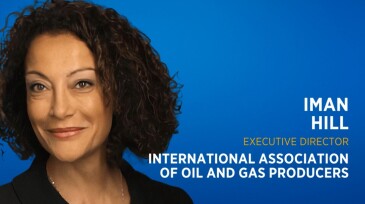
During a fireside chat on SPE Live, Iman Hill, the executive director of the International Association of Oil and Gas Producers, discussed market recovery, the energy transition, diversity in the oil and gas industry, and the future of the industry.
-
Coal states are questioning whether the Clean Air Act gave the EPA the power to create policy.