HSE & Sustainability

The solvent-based technology involves a modular treatment process that uses a proprietary catalyst designed to safely and sustainably remove hydrogen sulfide (H₂S) from sour gas streams using either produced water or an alkaline water as the treating media.

After years of market shocks, technological breakthroughs, and rising uncertainty, ATCE 2026 will provide new insights on how industry leaders and technical experts are preparing for the next era of the upstream business.

A shared digital mindset across subsurface, subsea, and drilling and wells is accelerating well planning at Vår Energi.
-
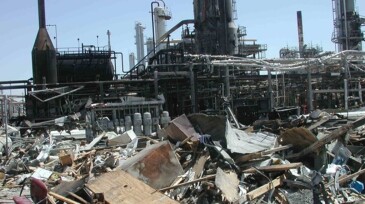
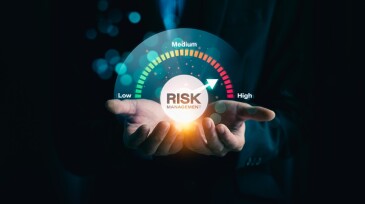
 This paper discusses and demonstrates the limitations of quantitative risk assessments (QRA) with respect to the usefulness of the concept in managing day-to-day and emerging risks as well as the effect of change. The paper goes on to discuss improved solution sets compared with pure reliance on QRA.
 -
The money will aid the partnership of Equinor and Standard Lithium in constructing a processing plant, which, in its first phase, is targeted to produce 22,500 tonnes of lithium carbonate per year for use in battery production.
-
Aramco expects to complete Phase 1 construction of the 9-mtpa facility in 2027.
-
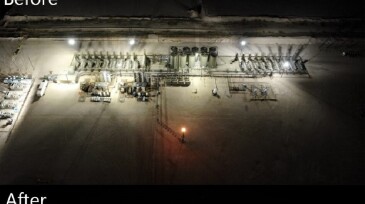
DarkSky International, a global authority on light pollution reduction, applauded Franklin Mountain Energy for overhauling its lighting practices, which reduced the skyglow during the night.
-
Delayed decommissioning has been a theme on the UK Continental Shelf thanks to legal, regulatory, and technical hurdles, the report says.
-
The analysis found that the decline in Permian Basin methane emissions equaled the annual carbon emissions avoided by every electric vehicle in the US.
-
The funding, aimed to help small operators, builds on nearly 100 cross-government actions designed to sharply reduce methane pollution.
-
The Interior Department has now approved more than 19 GW of offshore wind energy.
-
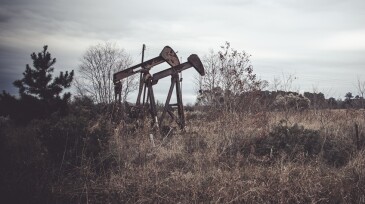
The money from the Investing in America agenda will be used for plugging, remediating, and reclaiming orphaned oil and gas wells in national parks, national forests, and national wildlife refuges.
-
“Riskwashing” refers to a situation where an organization engages in superficial or insincere actions to create the appearance of addressing a particular risk or issue without actually taking substantive action to address the underlying problem. This paper presents methods to identify and minimize riskwashing as an organizational response to incidents.