HSE & Sustainability

This paper presents a flexible, highly cost- and energy-efficient method of gas separation and CO₂ capture from many different gas mixtures with a large range of CO₂ concentrations.

This study explores the carbon-capture and mineralization potential of ultramafic rock powders when exposed to flue gases generated from combustion of crude oil and mesquite-derived charcoal.

This paper presents an approach for safe, efficient, and cost-effective legacy well reabandonment.
-
 A series of temblors in the region has been linked to oil and gas extraction processes.
 -
The HSE executive is urging offshore companies to take a closer look at human factors after inspectors formed the opinion that Apache failed to fully consider human factors as part of its plans to prevent a fire and explosion on one of its North Sea platforms.
-
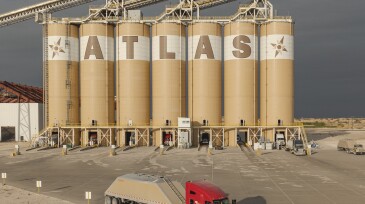
The company behind a 42-mile sand conveyor system is now leaning into autonomous vehicles for proppant logistics.
-
This paper presents how one operator has developed a culture of circular decommissioning with the main goal of setting up a structured process to improve environmental performance by implementing the principles of a circular economy during decommissioning.
-
The process developed by Moscow’s Skolkovo Institute of Science and Technology shows promising results in the laboratory, suggesting a novel method to produce hydrogen from natural gas reservoirs while trapping carbon in permanent storage.
-
Reducing greenhouse-gas emissions with geologic carbon storage will require a new way to model rock physics.
-
A new article offers a comprehensive review of worldwide energy transitions to carbon neutrality and introduces the Decarbonization Index, an innovative indicator designed to gauge the progress of a nation’s energy transition.
-
The settlement to reduce emissions in North Dakota includes the largest ever Clean Air Act stationary source penalty and is expected to result in the reduction of more than 2.3 million tons of pollution.
-
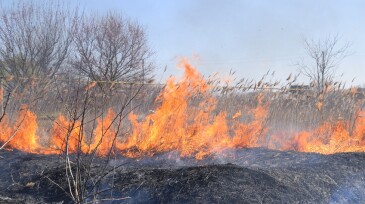
More than 100,000 oil and gas wells across the western US are in areas burned by wildfires in recent decades, a new study has found, and some 3 million people live next to wells that in the future could be in the path of fires worsened by climate change.
-
This paper outlines how one company uses digital technologies to manage HSE risks in project delivery, developing an artificial intelligence (AI) predictive model to predict HSE risks and incidents based on historical incident data.